
Scraping Guides
Includes guides and technical content about web scraping, data extraction methods, and structured data collection from websites.
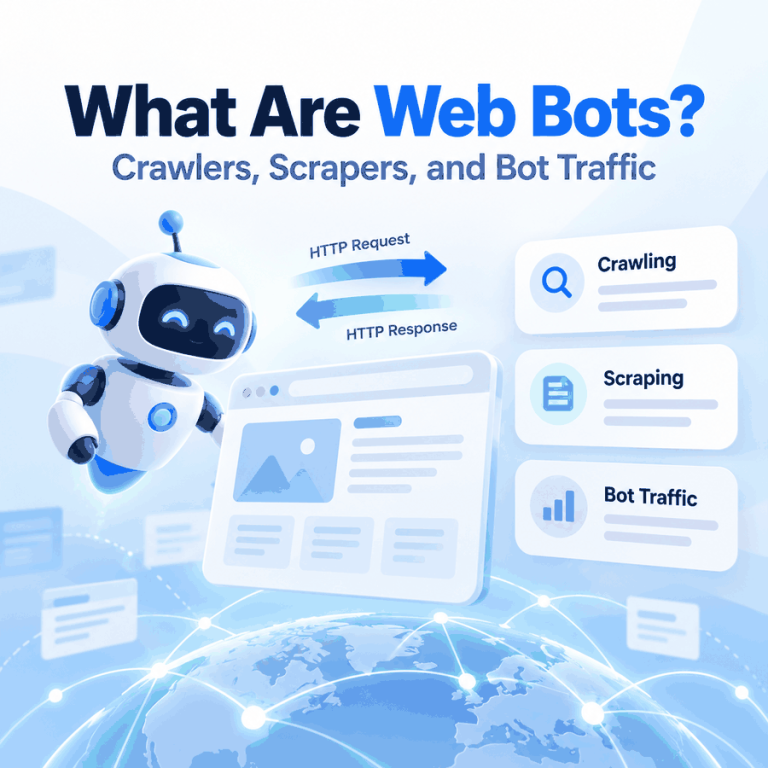
What Are Web Bots? Crawlers, Scrapers, and Bot Traffic Explained
A crawler that discovers product pages, a scraper that extracts prices, an uptime checker that tests a URL every few minutes, and a browser script that clicks through a QA flow can all be called web bots. The label is broad because it describes automation, not one specific job. A more useful way to understand bots is to ask three questions: what task is being repeated, what request pattern the software creates, and what output it produces. That framework makes it easier to tell a crawler from a scraper, understand bot traffic, and diagnose where a workflow is actually failing....
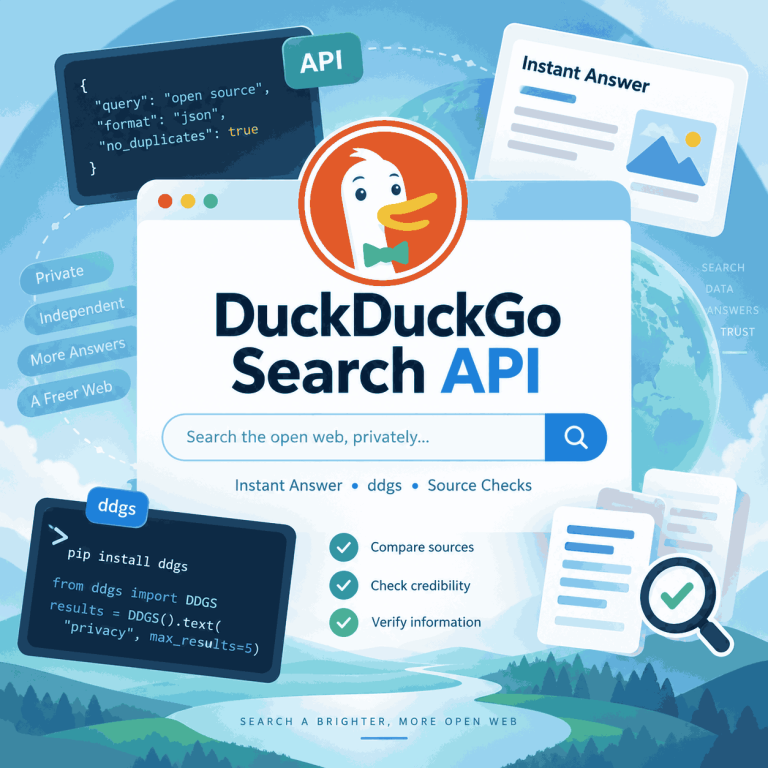
DuckDuckGo Search API: What It Can and Can’t Return
Searching for a DuckDuckGo Search API can lead to several very different tools. You may be looking for DuckDuckGo’s long-standing Instant Answer JSON endpoint, a Python package such as ddgs, or a third-party service that returns structured DuckDuckGo search-result fields. The important distinction is that these options do not return the same data. Before choosing one, define whether you need answer-style JSON, organic result URLs and snippets, region controls, or a lightweight Python search helper. Quick Answer DuckDuckGo has a long-standing Instant Answer JSON endpoint, but it should not be treated as a modern full-search developer API or an official...
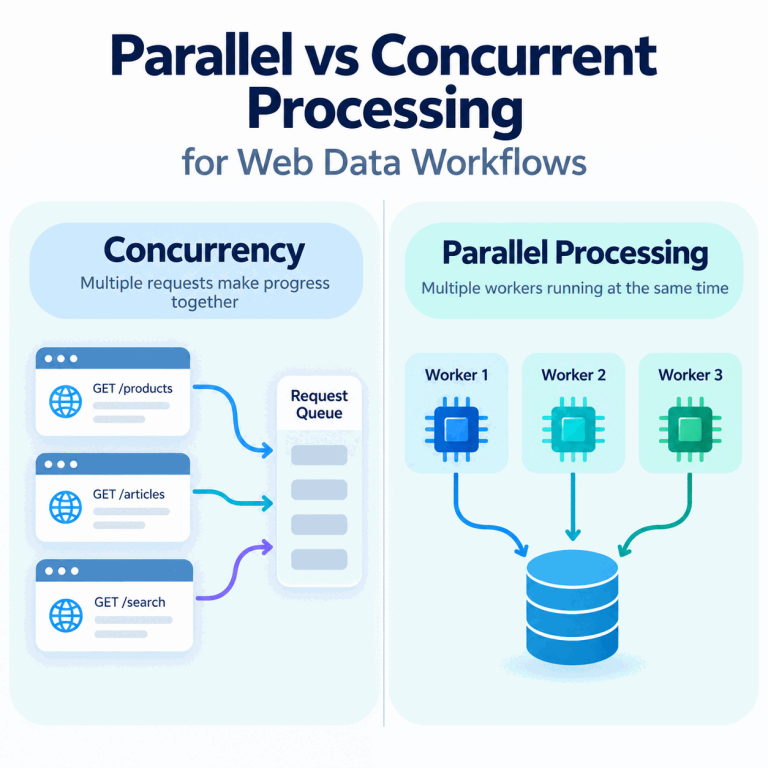
Parallel vs Concurrent Processing for Web Data Workflows
Web data workflows often slow down or fail because one stage spends time waiting while another becomes overloaded, retries too aggressively, or processes work faster than the next stage can accept it. For crawlers, APIs, browser rendering, parsing, and ETL-style data movement, the practical choice between concurrency and parallelism depends on whether the bottleneck is mostly network waiting, local compute, memory, or downstream capacity. Quick Answer Concurrent processing and parallel processing are related but not the same. Concurrency keeps multiple tasks in progress during the same period, which is useful when crawlers or APIs spend time waiting on network I/O....
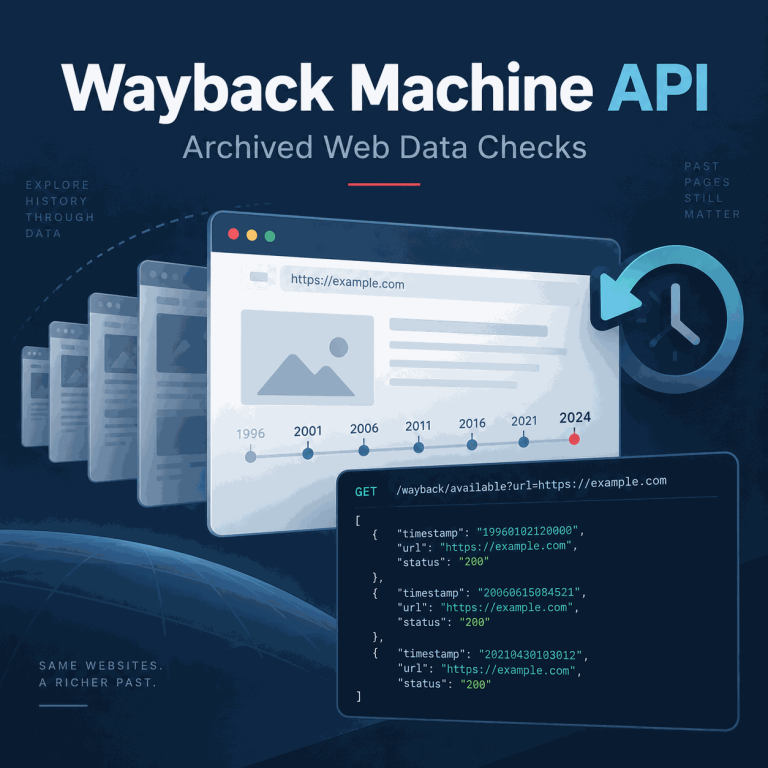
How to Use the Wayback Machine API for Archived Web Data
The Wayback Machine can help verify how a public page looked at an earlier point in time, but clicking through the calendar is slow when you need repeatable checks. The more practical approach is to query capture metadata first, narrow the result set, and then open the archived snapshot that matches the time window you need. For most archive-data work, the Wayback CDX Server API is the main interface because it can return multiple captures and filter them by date, status code, MIME type, and other fields. The simpler Availability API is useful when you only need a quick answer...
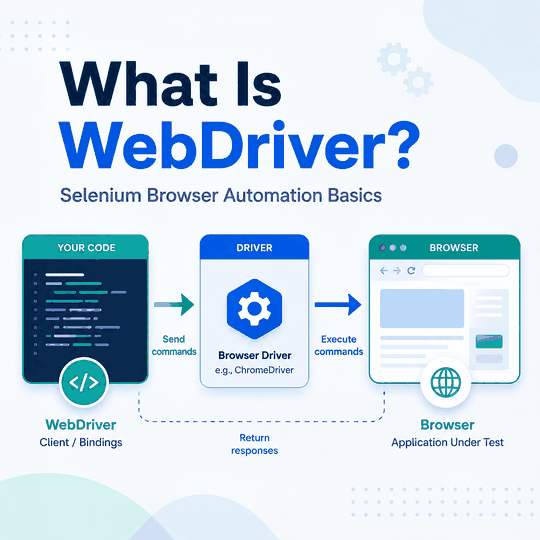
What Is WebDriver? Selenium Browser Basics
Web pages that depend on JavaScript, clicks, form input, or browser state often need more than a plain HTTP request. WebDriver gives test and automation code a standardized way to open a browser, interact with page elements, and inspect the result. Quick Answer WebDriver is a standardized way for software to control a web browser through commands such as opening a page, finding an element, clicking, typing, reading text, and closing the session. Selenium WebDriver is the best-known implementation used for browser testing and automation. WebDriver is useful when a workflow depends on real browser behavior, including JavaScript rendering and...

Python 403 Forbidden Error: Request Checks for Web Data
If a Python GET request returns a 403 error, the script usually reached an HTTP server, CDN, WAF, or origin application that understood the request but refused to fulfill it. That is different from a timeout, DNS failure, TLS failure, or broken proxy connection. For developers and data teams, the next question is not "which header should I copy from a browser?" The useful question is what access rule, request detail, session state, or route signal caused the refusal. Quick Answer If a Python GET request returns a 403 error, an HTTP client such as requests, urllib, or an application...
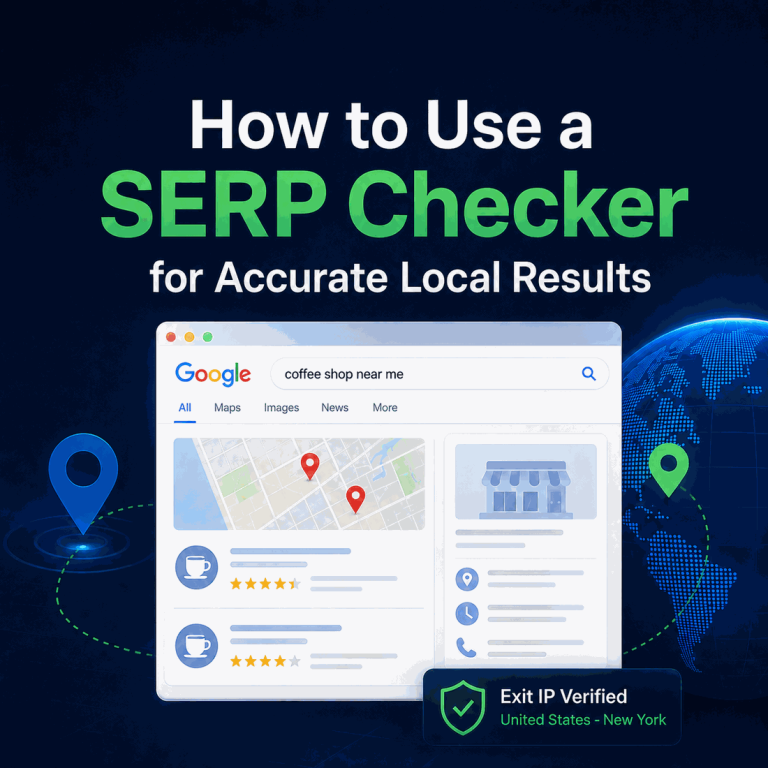
How to Use a SERP Checker for Accurate Local Results
A SERP checker is most useful when it helps you reproduce and explain a search result under known conditions. For local SEO, market QA, and regional search analysis, the important question is not only what the checker returned, but whether the location, language, device, time, and network route used for the check were actually consistent. Quick Answer A SERP checker captures search results for a keyword under a defined search context. For reliable local checks, record the search engine, country or city, language, device, timestamp, and visible SERP features. If a regional proxy is part of the workflow, verify the...
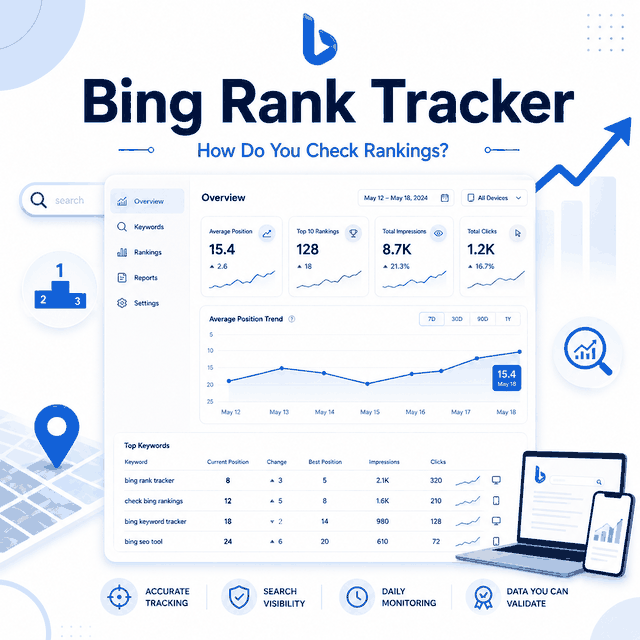
Bing Rank Tracker: How Do You Check Rankings?
Bing rank tracking is most useful when every check uses the same query, location, language, device, and URL-matching rules. A single position can be helpful for a quick check, but recurring monitoring needs enough context to explain whether a movement is real or caused by different search conditions. Quick Answer A Bing rank tracker shows where a domain or URL appears in Bing search results for a specific keyword under defined location, language, device, and date settings. For your own verified site, Bing Webmaster Tools is the first-party starting point for search-performance data. Use a Bing SERP checker for a...

Flipkart Price Tracker: How to Read Price History
A Flipkart price tracker can show how a product's observed price changes over time, but the chart is only useful when you know what was actually compared. A lower number may reflect a different variant, seller, offer state, stock status, or delivery context rather than a like-for-like price drop. Direct Answer To check Flipkart price history, copy the product URL or search for the product in a tracker that supports Flipkart, open its historical price chart, and compare the current price with previous observations. If you set a price drop alert, verify the product variant, seller, availability, delivery location, and...
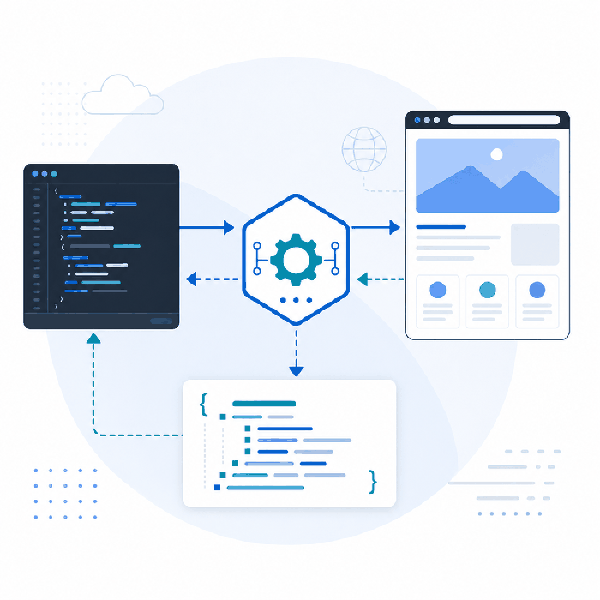
Web Scraping API: How It Works and When to Use It
Building a scraper from scratch gives you control, but it also makes your team responsible for requests, rendering, retries, parsing, validation, and maintenance. A web scraping API moves some of those responsibilities behind an HTTP endpoint so your application can request page content or structured output without operating every collection component itself. This guide focuses on the API layer. For the broader definition, workflow, and common uses of web scraping, start with IPWeb's guide to what web scraping is. Direct Answer A web scraping API is a hosted interface that accepts a target URL and request options, performs the supported...
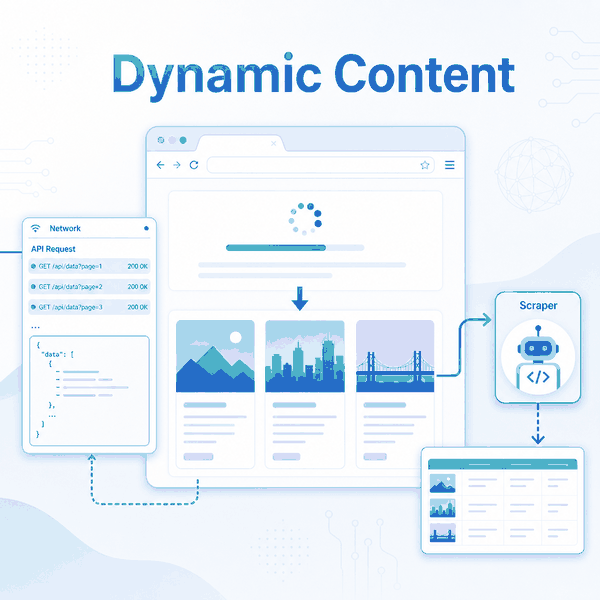
Web Scraping Dynamic Content: How to Handle JavaScript, Pagination, and Infinite Scroll
Web scraping dynamic content becomes tricky when the data you need is not present in the first HTML response. A page may load a shell first, then use JavaScript, background requests, pagination, or infinite scroll to fill in the real records after the browser starts running. The right method depends on where the data appears. Sometimes you should read a network response. Sometimes you need a browser renderer. Other times the page is simple enough that a static request is still the better choice. The goal is to diagnose the loading pattern before choosing a tool. Direct Answer To scrape...
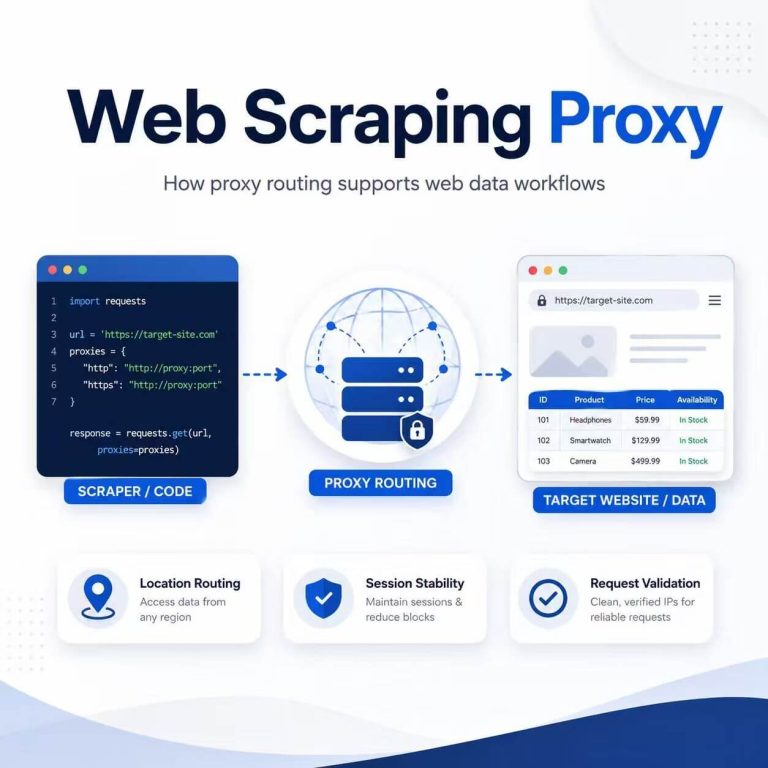
How to Choose and Test a Web Scraping Proxy
A web scraping proxy routes requests through another network path before they reach a public website. In a web data workflow, this can be useful when a team needs to test regional page differences, separate automated traffic from its normal office connection, or run approved checks through a defined network location. A proxy does not collect or validate data. The scraper still has to request the correct page, extract the right fields, handle errors, and verify that the output matches the source. If those parts of the workflow are weak, changing the network route will not fix the underlying problem....