
Editor's recommendation
Curated by the IPWEB editorial team, these featured articles focus on key issues and practical experience in proxy IP and data collection.
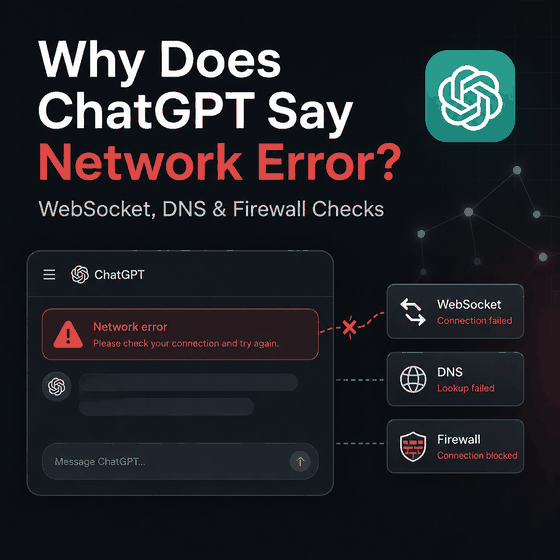
Why Does ChatGPT Say Network Error?
If ChatGPT says “A network error occurred” or reports an error while connecting to the WebSocket, the failure usually sits between the browser or app and ChatGPT’s servers. The cause can be a local Wi-Fi problem, VPN or proxy interference, secure DNS filtering, a corporate firewall, TLS inspection, a blocked WebSocket handshake, or a temporary OpenAI service issue. The fastest way to isolate the cause is to keep the account and device unchanged while changing one network variable at a time. Start with OpenAI Status, then compare Wi-Fi with mobile data or another network, disable VPN or proxy connections temporarily,...
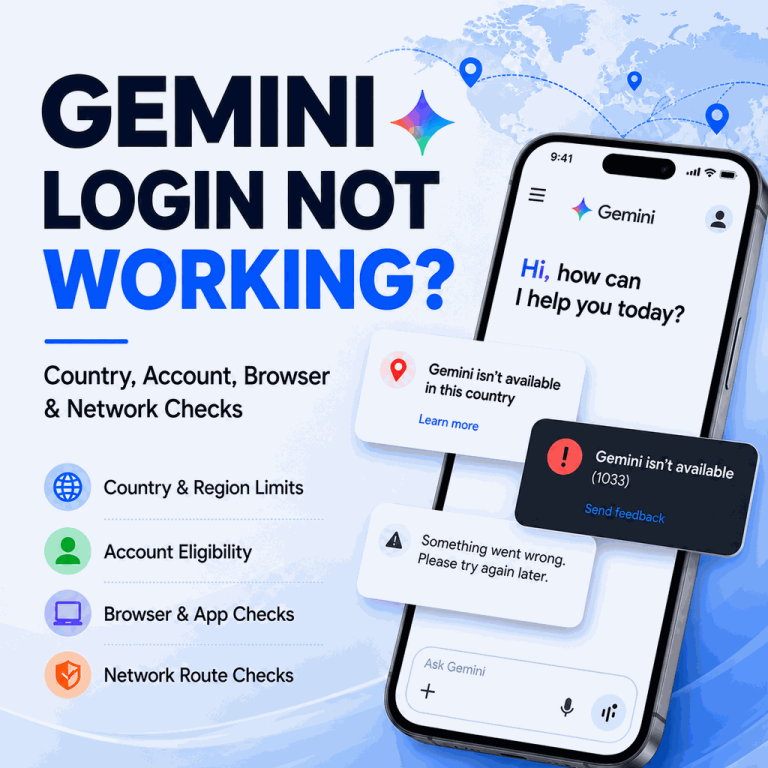
Why Is Gemini Login Not Working?
Gemini can fail before or after Google sign-in. You may get stuck in a login loop, see a country-unavailable message, or reach the app only to receive a generic error. Similar symptoms can come from very different causes. If Gemini login is not working, first determine whether the failure comes from Gemini availability, the Google account, the browser session, a temporary service issue, or the network route. Google states that the Gemini web app is available in more than 230 countries and territories and more than 70 languages, while the mobile app may have different availability. That difference matters when...
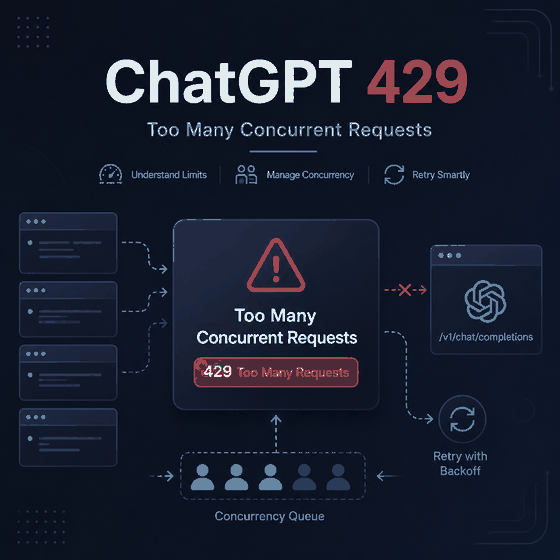
Why Does ChatGPT Say “Reached Concurrency Limit”?
You send one prompt and ChatGPT responds with “Reached concurrency limit.” Too many simultaneous requests are one possible cause, but that explanation becomes much weaker when you have only one active ChatGPT session and the error appears on your first request. The useful question is therefore not simply “How do I remove the concurrency limit?” First determine whether concurrent activity is actually present. A single controlled request can separate genuine overlap from a stuck session, a broader ChatGPT problem, or—if you are using the OpenAI API—a separate HTTP 429 condition. Quick Answer Reduce ChatGPT to one active session and send...
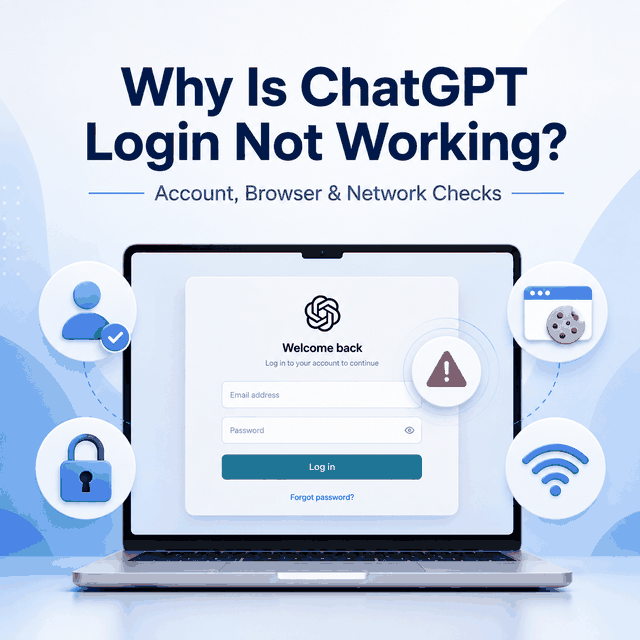
Why Is ChatGPT Login Not Working?
If ChatGPT login is not working, first separate login problems from availability problems. If you can reach the login page but cannot get into your account, start with the authentication and session layers. Common possibilities include the wrong sign-in method, blocked cookies, stale browser data, extension interference, browser verification, account-state restrictions, or a temporary OpenAI service issue. Check one layer at a time before changing accounts, devices, or networks. Quick Answer If ChatGPT loads but you cannot sign in, first use the same authentication method that created the account, such as Google, Microsoft, Apple, or email/password. If OpenAI asks for...
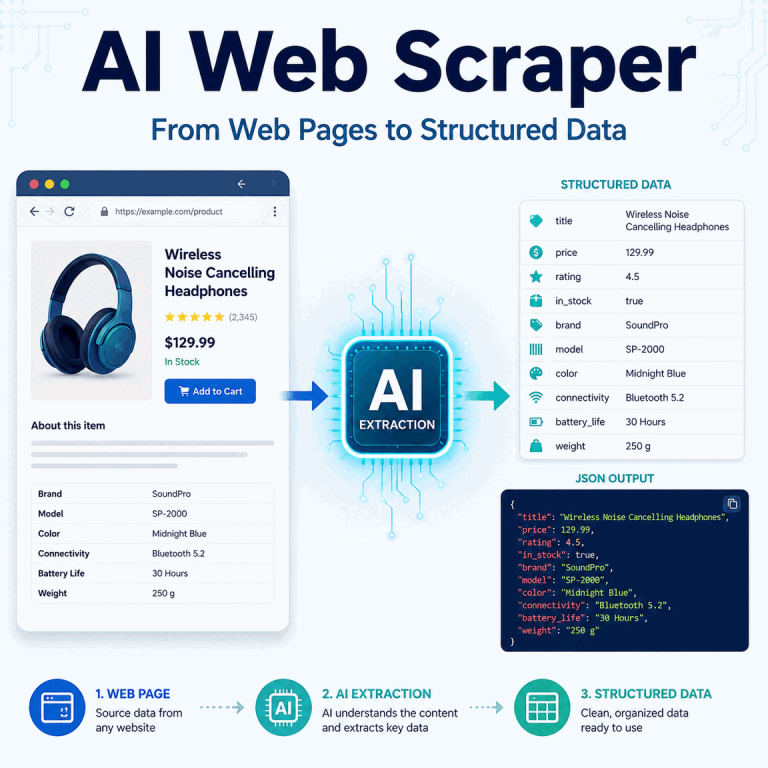
What Is an AI Web Scraper?
An AI web scraper is a web extraction tool that uses AI to understand page content, identify fields, handle layout variation, or convert pages into structured data with less hand-written parsing logic. It still needs normal web scraping fundamentals: permitted sources, stable requests, rendering checks, schema validation, and error handling. The term can be confusing because people use it for several related workflows: a scraper with an LLM extraction step, a browser automation tool controlled by an AI agent, a no-code extraction product with AI field detection, or a pipeline that turns HTML into Markdown or JSON for AI systems....
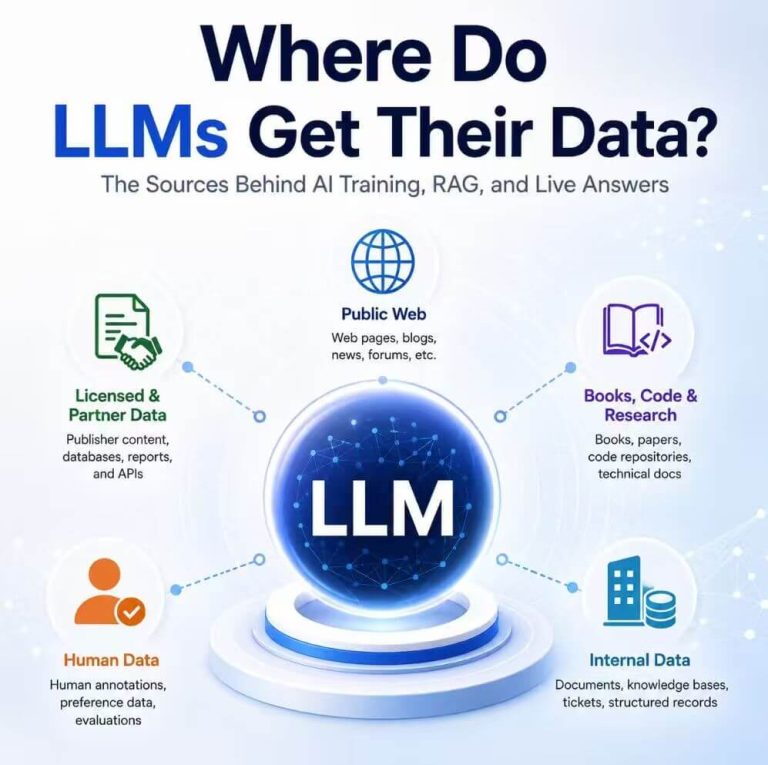
Where Do LLMs Get Their Data? Training Sources Explained
When people ask where large language models get their data, they may be referring to several different processes. A foundation model learns broad language patterns during pretraining, an assistant is refined during post-training, a RAG application retrieves documents at request time, and some products can use search or browsing tools to access current information. These mechanisms are related, but they are not interchangeable. A document retrieved by a RAG system is not automatically added to the model's training data, and a model that can browse the web is not continuously retraining itself on every page it opens. Quick Answer LLM...

What Is a Web Unblocker? How It Works vs Proxy
How It Works vs Proxy A web unblocker, also called a web unlocker by some providers, is a managed request layer for compliant public-data collection. Instead of sending every request directly from your own scraper or application, you send a target URL through one endpoint and let the service manage more of the delivery workflow. The service may return raw HTML or rendered HTML, while some providers also support transformed outputs such as structured JSON, Markdown, or screenshots. Exact capabilities vary by product. That sounds close to a proxy, but the operating model is different. A standard proxy server gives...