
API Guides
Explore practical API guides for collecting and using public web and search data. Learn how SERP APIs, rank tracking APIs, and web scraping APIs work, including request parameters, authentication, JSON responses, data validation, costs, errors, and integration workflows.
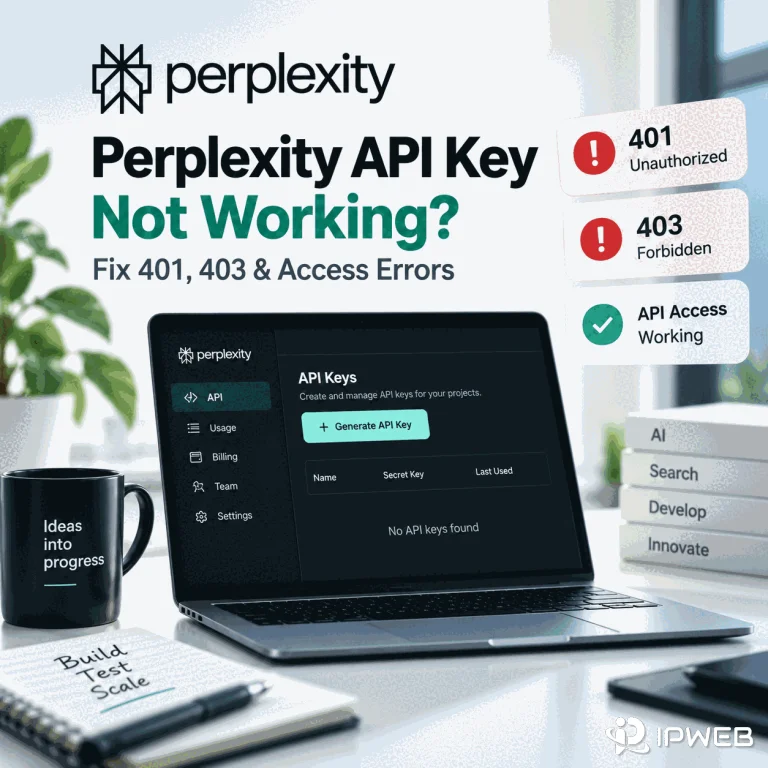
Perplexity API Key Not Working? Diagnose 401, 403, and Access Errors
If a Perplexity API key is not working, diagnose the request that actually ran rather than using a successful browser login as proof that API access is healthy. A 401, 403, 429, 5xx, and a DNS or TLS failure belong to different troubleshooting branches. Preserve the HTTP status, error body, endpoint, runtime, and timestamp before retrying. Then reproduce the problem with the smallest documented request so application code, streaming, SDK wrappers, gateways, and retry middleware do not hide the failing layer. Quick Answer When a Perplexity API key is not working, verify the official endpoint, Bearer authorization header, key source,...
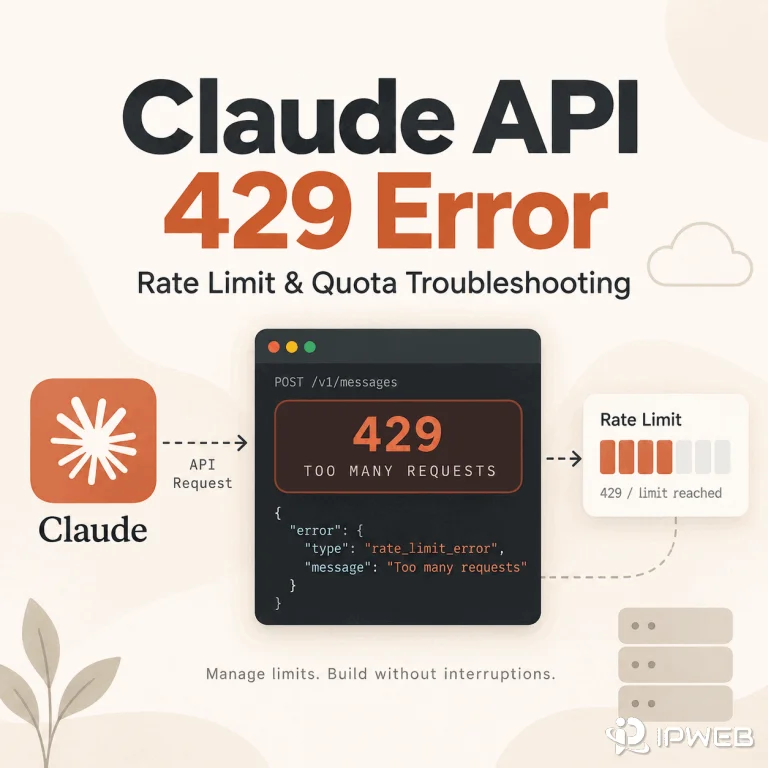
Claude API 429 Too Many Requests: Why It Happens and How to Fix It
A Claude API 429 Too Many Requests response means the request reached Anthropic but could not be served under the current usage limits. That does not always mean your application simply sent too many requests in one minute. A 429 can come from request or token rate limits, a sudden acceleration in traffic, a usage-tier monthly spend cap, or a separate Fast Mode limit. The first troubleshooting step is therefore not to retry blindly. Read the error body and response headers, especially retry-after, then decide whether the request should wait, reduce throughput, or stop retrying until account-level access resumes. Quick...

How to Use a Proxy with Claude API in Python
A Python application that calls the Claude API normally uses the network route available to the process that runs it. When you need a specific outbound route for development, fixed-egress testing, or an approved network environment, the Anthropic Python SDK can send requests through an explicit proxy instead of relying on the machine's default connection. The current Anthropic Python SDK uses httpx2 for its HTTP layer and lets you customize that layer with DefaultHttpxClient. Anthropic directly documents an HTTP proxy configuration, while HTTPX2 also provides optional SOCKS proxy support. That makes it possible to use either an HTTP proxy or...

Claude API Authentication Errors: How to Fix 401 and 403 Responses
A Claude API authentication error is easier to diagnose when you separate authentication, billing, permission, rate-limit, and transport failures before retrying. A 401 authentication_error and a 403 permission_error are different decisions, and neither should be treated as a generic “blocked API” response. Start with the smallest valid Claude API request, preserve the HTTP status, error type, request ID, workspace context, and timestamp, and keep the API key itself out of logs, screenshots, chat, and support tickets. Quick Answer For Claude API 401 and 403 errors, verify the authentication header, API-key state, workspace selection, and permission context before changing the network....
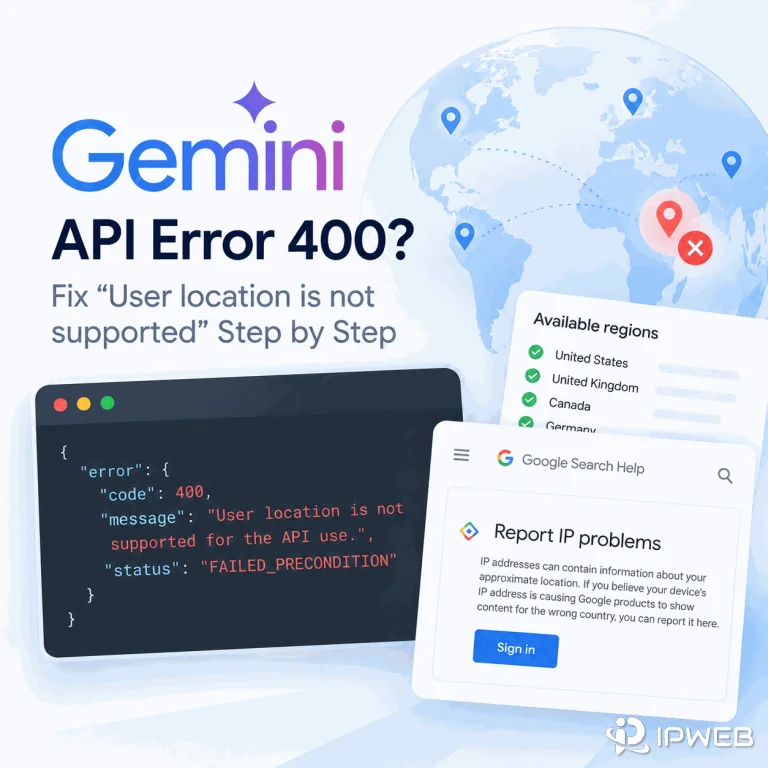
Why Does Gemini API Say “User Location Is Not Supported”?
The Gemini API can return a 400 FAILED_PRECONDITION error with the message User location is not supported for the API use. The confusing cases are not always requests from unsupported countries. Recent reports on the Google AI Developers Forum include production servers in Japan, Canada, India, and Germany—countries that appear on Google’s current Gemini API availability list—while the same API key works from another network or over a different IP address family. The fastest way to diagnose this error is to treat the request’s runtime egress as a separate variable from your own physical location. Keep the API key, project,...
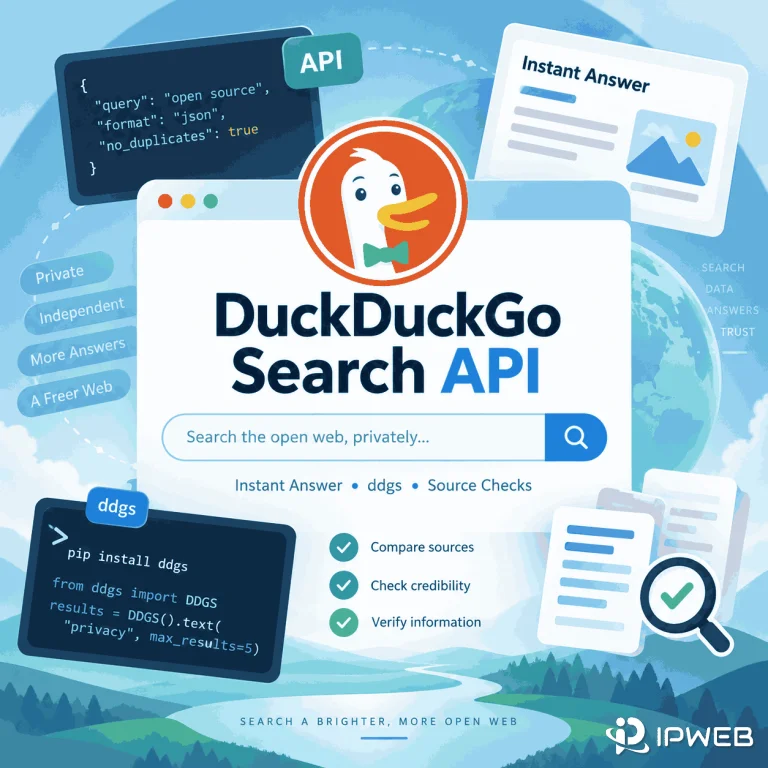
DuckDuckGo Search API: What It Can and Can’t Return
Searching for a DuckDuckGo Search API can lead to several very different tools. You may be looking for DuckDuckGo’s long-standing Instant Answer JSON endpoint, a Python package such as ddgs, or a third-party service that returns structured DuckDuckGo search-result fields. The important distinction is that these options do not return the same data. Before choosing one, define whether you need answer-style JSON, organic result URLs and snippets, region controls, or a lightweight Python search helper. Quick Answer DuckDuckGo has a long-standing Instant Answer JSON endpoint, but it should not be treated as a modern full-search developer API or an official...
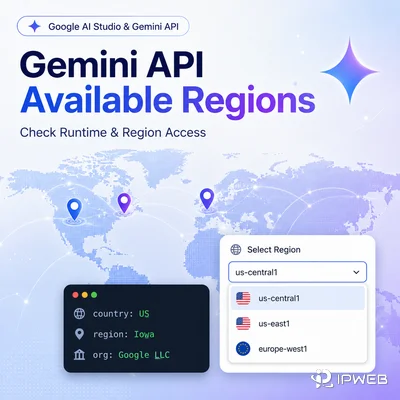
Is the Gemini API Available in My Region? How to Check
Gemini API regional availability should be checked from the environment that actually sends the request. A developer can be physically located in a supported country while a Colab instance, cloud VM, CI runner, remote notebook, or production service runs somewhere else. Google explicitly documents this distinction for Colab, where region restrictions are based on the Colab instance region rather than the user's region. Quick Answer Check Google's current Gemini API and Google AI Studio available-regions page before changing SDK code. For Colab, Google says the relevant location is the Colab instance region and provides !curl ipinfo.io as a way to...
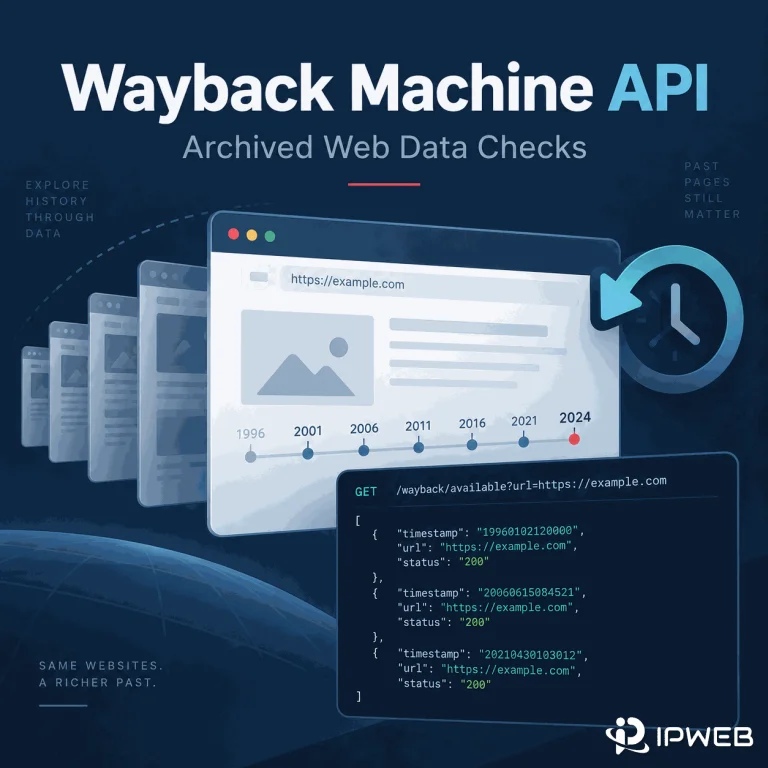
How to Use the Wayback Machine API for Archived Web Data
The Wayback Machine can help verify how a public page looked at an earlier point in time, but clicking through the calendar is slow when you need repeatable checks. The more practical approach is to query capture metadata first, narrow the result set, and then open the archived snapshot that matches the time window you need. For most archive-data work, the Wayback CDX Server API is the main interface because it can return multiple captures and filter them by date, status code, MIME type, and other fields. The simpler Availability API is useful when you only need a quick answer...
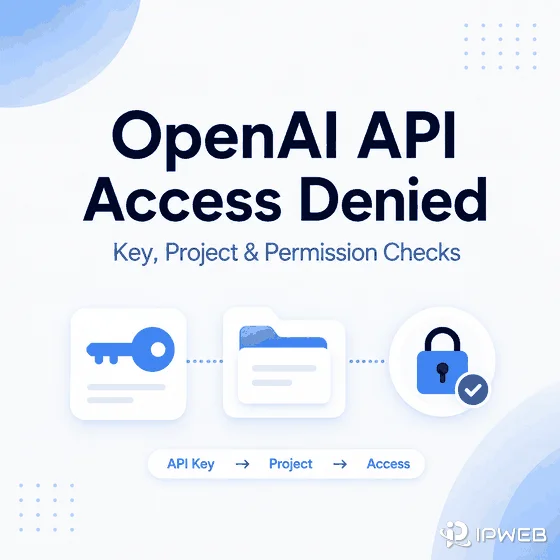
Why Is OpenAI API Access Denied?
OpenAI API access denied errors usually point to a specific access layer: an invalid or stale API key, the wrong project or organization context, missing project or model permissions, an endpoint mismatch, an unsupported region, IP allowlisting, or a server-side network problem. The fastest way to diagnose the failure is to capture the exact HTTP status and error body before changing credentials or application settings. Do not treat every 401 or 403 as the same problem. A browser message may come from your own frontend or backend, while a server-side OpenAI API response can contain a specific error type, code,...
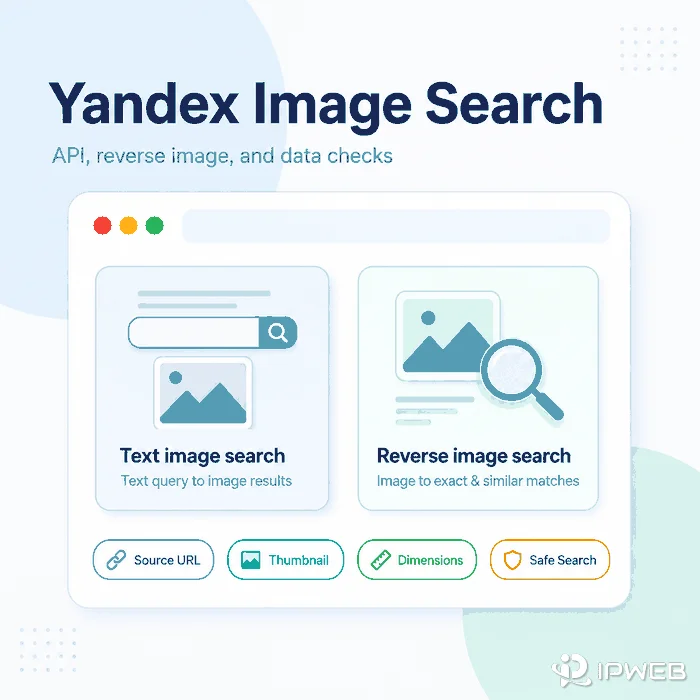
How Does Yandex Image Search Work? API & Reverse Search
Yandex image search is useful when a team needs to inspect public image results, compare visual search output across regions, or validate where an image appears on the open web. The difficult part is not entering a query into Yandex Images. It is choosing the right source, identifying which fields are reliable, and keeping the result set consistent enough for comparison. Reliable Yandex image data starts with a clear distinction between text image search and reverse image search. From there, the workflow depends on whether the task needs browser-based review, an official API, a structured SERP API, or a limited...
SerpApi Alternatives: SERP APIs vs Proxy-Based Collection
SerpApi is one of several ways to obtain search-results data, but choosing an alternative is not only about comparing API prices. The more important decision is whether you want a managed SERP API that returns structured data, or a self-managed collection workflow where your team controls the browser or request layer, regional network route, parsing, storage, and validation. Quick Answer Choose a managed SERP API such as Serper, DataForSEO, or Bright Data when you need ready-to-use structured search data with less infrastructure work. Consider a proxy-based collection architecture when you need direct control over the browser or HTTP client, regional...
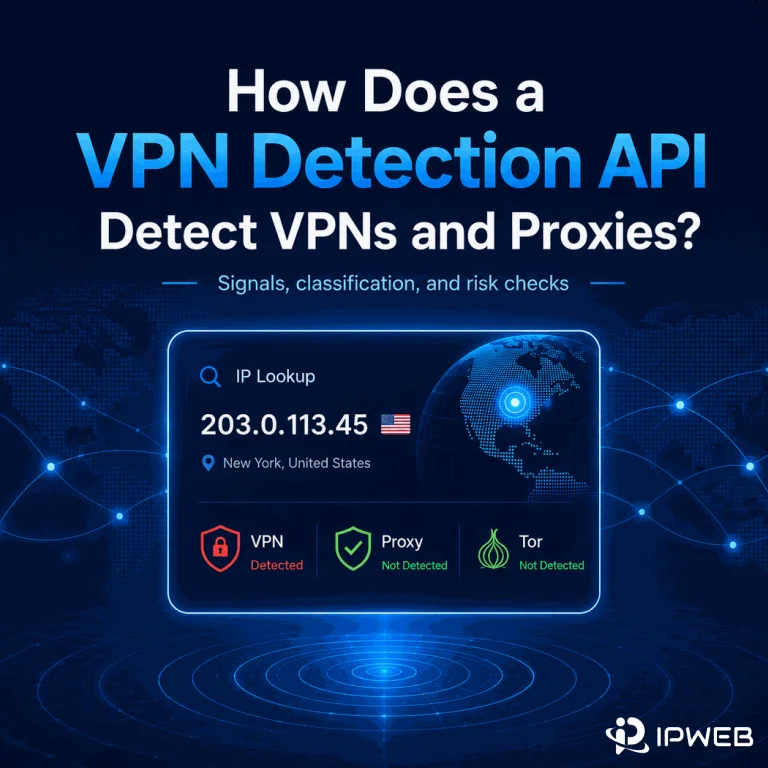
How Does a VPN Detection API Detect VPNs and Proxies?
A VPN detection API sounds simple: send an IP address, get back a label, and decide whether to trust the traffic. In real workflows, the answer is rarely that clean. VPN, proxy, hosting, residential, mobile, and corporate networks can overlap in ways that make a single "block" decision risky. Quick Answer A VPN detection API checks an IP address against IP intelligence signals such as ASN, hosting provider, known VPN or proxy ranges, residential or mobile network patterns, geolocation consistency, reputation, and recent observations. The result should be treated as a risk signal, not absolute proof. Good teams validate the...