
Blog

Editor's recommendation
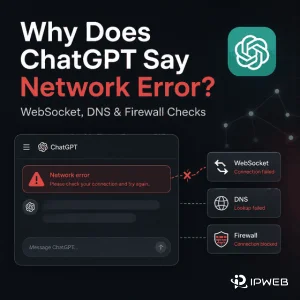
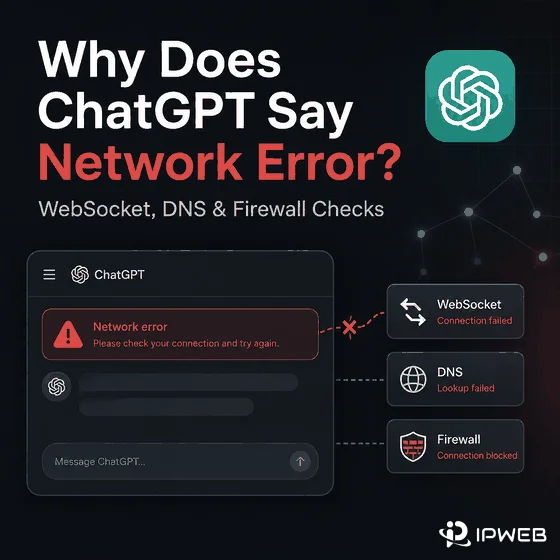
Why Does ChatGPT Say Network Error?
Why Is Gemini Login Not Working?

Why Does ChatGPT Say “Reached Concurrency Limit”?

Why Is ChatGPT Login Not Working?
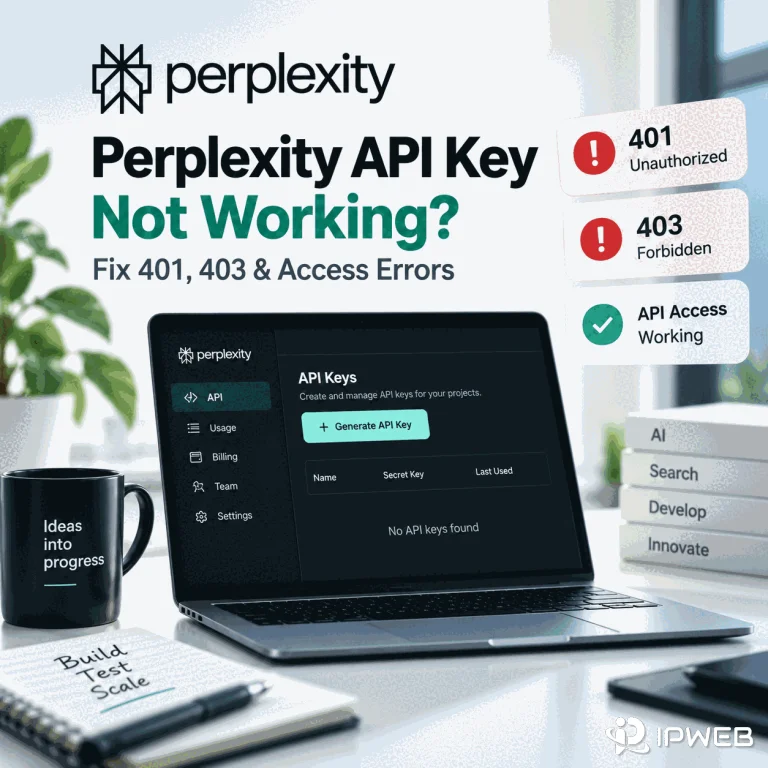
Perplexity API Key Not Working? Diagnose 401, 403, and Access Errors
If a Perplexity API key is not working, diagnose the request that actually ran rather than using a successful browser login as proof that API access is healthy. A 401, 403, 429, 5xx, and a DNS or TLS failure belong to different troubleshooting branches. Preserve the HTTP status, error body, endpoint, runtime, and timestamp before retrying. Then reproduce the problem with the smallest documented request so application code, streaming, SDK wrappers, gateways, and retry middleware do not hide the failing layer. Quick Answer When a Perplexity API key is not working, verify the official endpoint, Bearer authorization header, key source,...


Claude API 429 Too Many Requests: Why It Happens and How to Fix It
A Claude API 429 Too Many Requests response means the request reached Anthropic but could not be served under the current usage limits. That does not always mean your application simply sent too many requests in one minute. A 429 can come from request or token rate limits, a sudden acceleration in traffic, a usage-tier monthly spend cap, or a separate Fast Mode limit. The first troubleshooting step is therefore not to retry blindly. Read the error body and response headers, especially retry-after, then decide whether the request should wait, reduce throughput, or stop retrying until account-level access resumes. Quick...

What Are Web Bots? Crawlers, Scrapers, and Bot Traffic Explained
A crawler that discovers product pages, a scraper that extracts prices, an uptime checker that tests a URL every few minutes, and a browser script that clicks through a QA flow can all be called web bots. The label is broad because it describes automation, not one specific job. A more useful way to understand bots is to ask three questions: what task is being repeated, what request pattern the software creates, and what output it produces. That framework makes it easier to tell a crawler from a scraper, understand bot traffic, and diagnose where a workflow is actually failing....


What Does 503 Backend Is Unhealthy Mean?
You receive an HTTP 503 response, but the page does not just say “Service Unavailable.” Instead, it says “backend is unhealthy,” “no healthy upstream,” or “no server is available to handle this request.” Those messages narrow the problem: a front-end layer received the request but could not select or reach a backend that it considered healthy. The useful question is no longer “What does HTTP 503 mean?” It is which backend-selection or health-check layer produced the message, and why did every eligible upstream fail? Quick Answer “503 backend is unhealthy” usually means a reverse proxy, load balancer, CDN, or gateway...
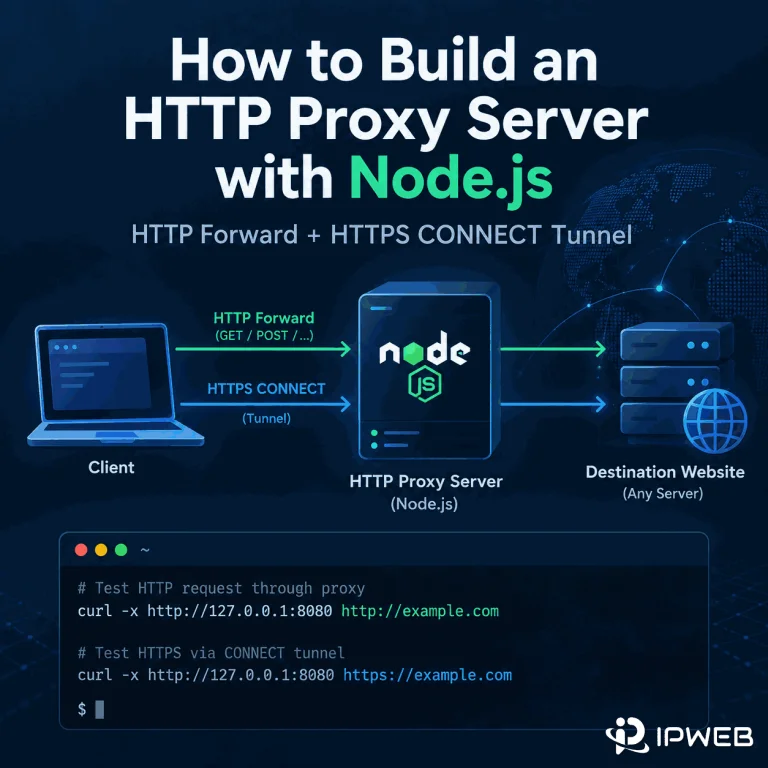
How to Build an HTTP Proxy Server with Node.js
Your Node.js proxy forwards ordinary HTTP requests, but the moment you try an HTTPS URL the request hangs, closes, or never reaches the same request handler. That is the most common point of confusion in a hand-built HTTP proxy: HTTPS does not use the same forwarding path as plain HTTP. The practical fix is to handle CONNECT separately. A working proxy needs one path for normal HTTP requests and another path that opens a TCP tunnel for HTTPS. The steps below start from the failure, reproduce it on Windows, add CONNECT support, and then show how to tell whether a...


How to Use a Proxy with Claude API in Python
A Python application that calls the Claude API normally uses the network route available to the process that runs it. When you need a specific outbound route for development, fixed-egress testing, or an approved network environment, the Anthropic Python SDK can send requests through an explicit proxy instead of relying on the machine's default connection. The current Anthropic Python SDK uses httpx2 for its HTTP layer and lets you customize that layer with DefaultHttpxClient. Anthropic directly documents an HTTP proxy configuration, while HTTPX2 also provides optional SOCKS proxy support. That makes it possible to use either an HTTP proxy or...