

Ryan
IP Proxy Research Team
Ryan is a web data and proxy infrastructure specialist focused on IP networks, scraping systems, SERP APIs, and global data access solutions. He shares practical insights on proxy usage, data collection architecture, and scalable web intelligence systems.
Ryan's Articles
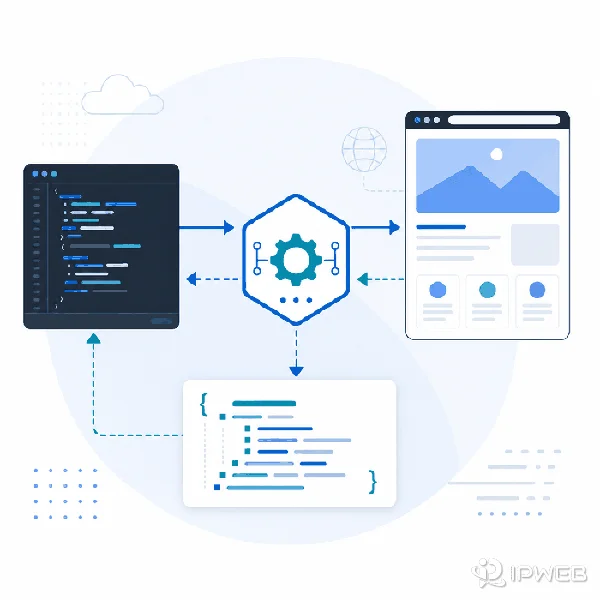
Web Scraping API: How It Works and When to Use It
Building a scraper from scratch gives you control, but it also makes your team responsible for requests, rendering, retries, parsing, validation, and maintenance. A web scraping API moves some of those responsibilities behind an HTTP endpoint so your application can request page content or structured output without operating every collection component itself. This guide focuses on the API layer. For the broader definition, workflow, and common uses of web scraping, start with IPWeb's guide to what web scraping is. Direct Answer A web scraping API is a hosted interface that accepts a target URL and request options, performs the supported...

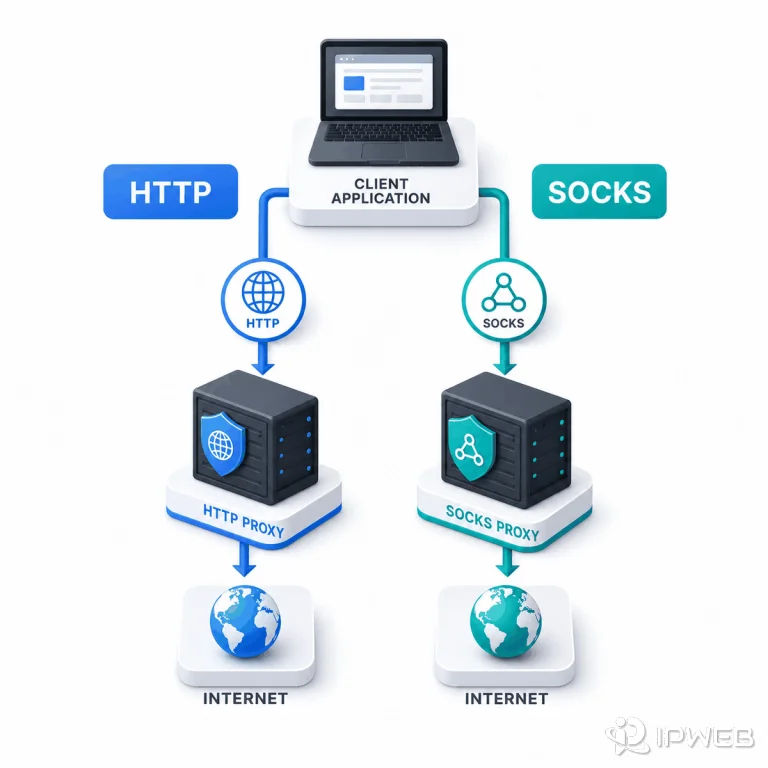
SOCKS vs HTTP Proxy: Which Should You Use?
The difference between a SOCKS proxy and an HTTP proxy mainly comes down to traffic type and application support. HTTP proxies are designed for web requests, while SOCKS proxies provide a more general connection method for software that supports the protocol. Direct Answer Choose an HTTP proxy for browsers, APIs, crawlers, and other HTTP or HTTPS traffic. Choose SOCKS when the application explicitly supports it and needs to route traffic that is not limited to ordinary web requests. Neither option is automatically better. Key Takeaways HTTP proxies are usually the simpler choice for web-focused tools. SOCKS is useful for applications...
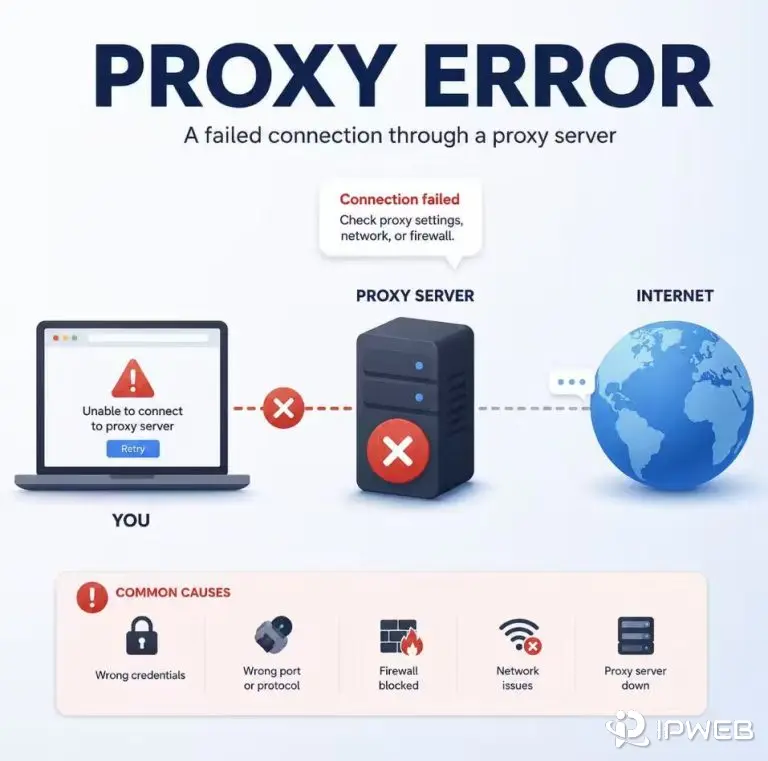
Proxy Error: What It Means and What to Check
A proxy error can stop a browser, API request, automation script, or desktop application from reaching its destination. The fastest way to diagnose it is to capture the exact error and identify whether the failure begins at the client, proxy endpoint, authentication layer, network path, or destination. Direct Answer A proxy error means a request failed somewhere along the path between the client, proxy server, and destination. Common causes include incorrect credentials, a closed port, protocol mismatch, blocked network traffic, local routing, DNS resolution outside the intended path, or a destination-side failure. Key Takeaways Read and record the exact error...
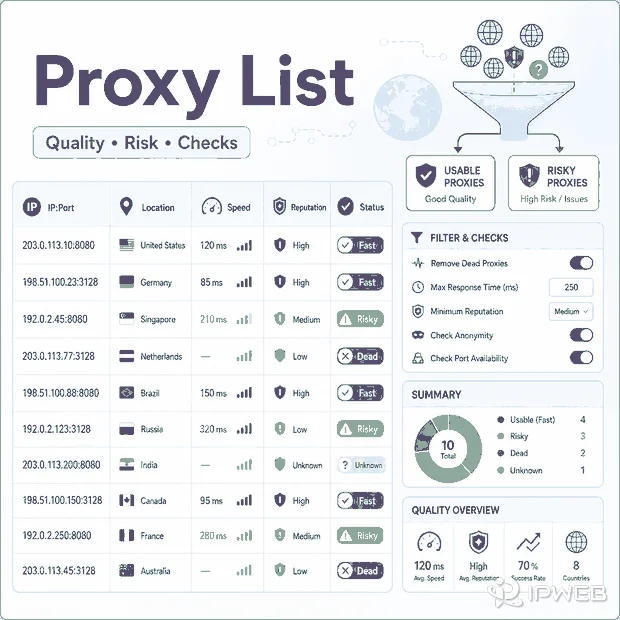
How to Check and Score a Proxy List in Bulk
A proxy list checker is useful when you have more than one endpoint to validate. Instead of testing proxies manually, the goal is to parse the entire file, remove bad or duplicate rows, test unique entries with controlled concurrency, export the results, and decide which endpoints should remain active. This guide focuses on list-level quality control. For a single proxy route check, use the separate proxy testing workflow. Direct Answer To check a proxy list, normalize every row into a valid proxy URL, reject malformed entries, remove duplicates, run several requests through each unique endpoint, and export status, success rate,...
Can Websites Detect Proxies?
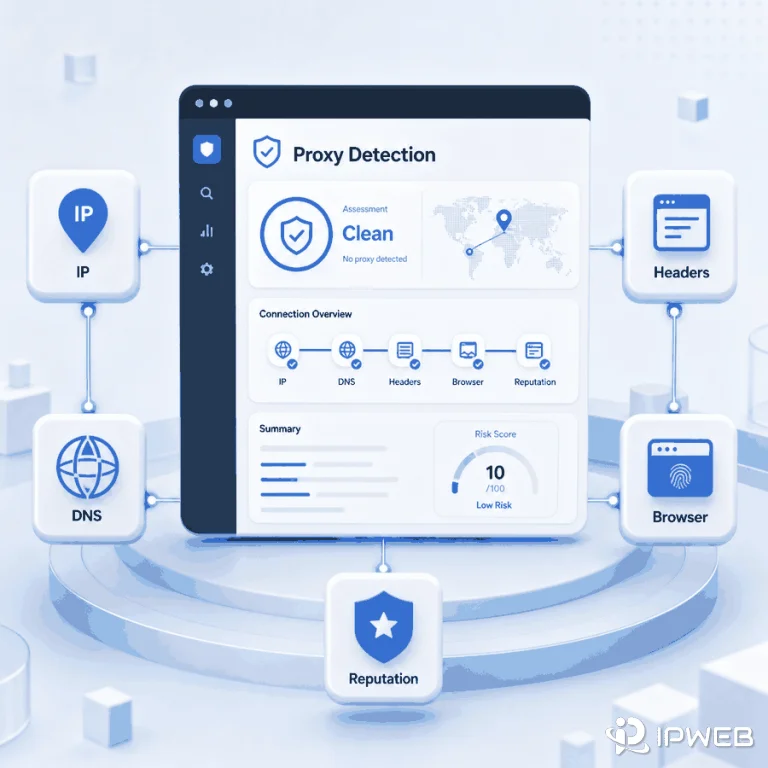
Proxy detection is the process of estimating whether a request is passing through a proxy, VPN, hosting network, or another intermediary. A website may examine the visible IP address, network owner, IP reputation, DNS behavior, browser signals, cookies, traffic patterns, and account context. This article focuses on client-selected forward proxies. Reverse proxies operated by websites are part of a different server-side architecture and are not covered here. Direct Answer Yes, websites can sometimes detect proxy use. They normally infer it from several network, browser, session, and behavior signals rather than from a single label. A proxy can change the visible...
What Is an HTTP Proxy and How Does It Work?
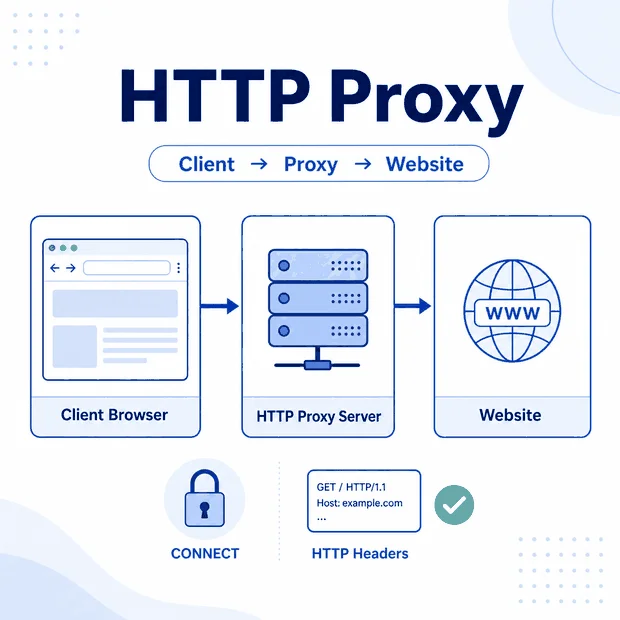
An HTTP proxy sits between a client and a destination server. It receives web requests from the client, forwards them to the destination, and returns the response. The name can be confusing. An HTTP proxy is not limited to websites that use plain HTTP. It can also carry HTTPS traffic by using the CONNECT method to open a tunnel to the destination server. Direct Answer An HTTP proxy is a server that accepts HTTP-style proxy requests and forwards them through another network route. It can inspect unencrypted HTTP requests. For HTTPS destinations, it commonly creates a CONNECT tunnel that carries...
User Agent vs Proxy: What’s the Difference?
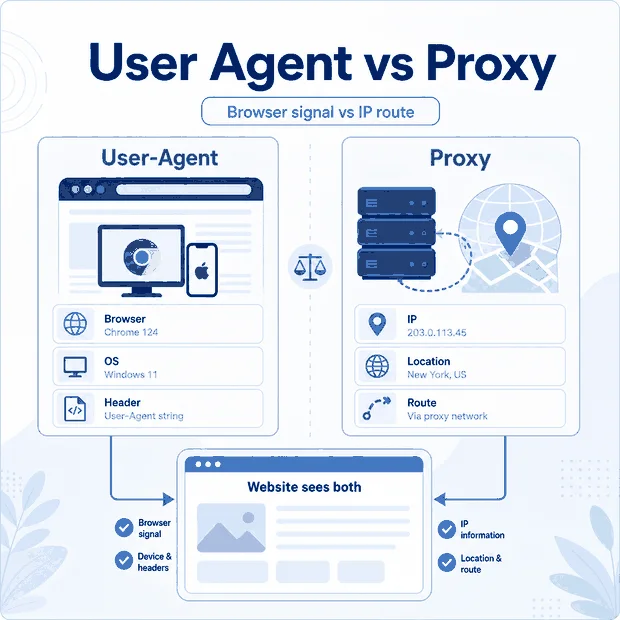
A user agent is the browser, application, or software client that sends a web request. A proxy is an intermediary that forwards that request through another network route. In simple terms, the user agent describes the client, while the proxy affects where the connection comes from. Understanding that difference matters when testing websites, configuring Playwright or Puppeteer, or troubleshooting a browser that still receives unexpected results after the proxy has changed. Direct Answer A user agent operates at the client and browser level. A proxy operates at the network level. Changing one does not recreate the other, so reliable testing...
What Is Headless Browsing?
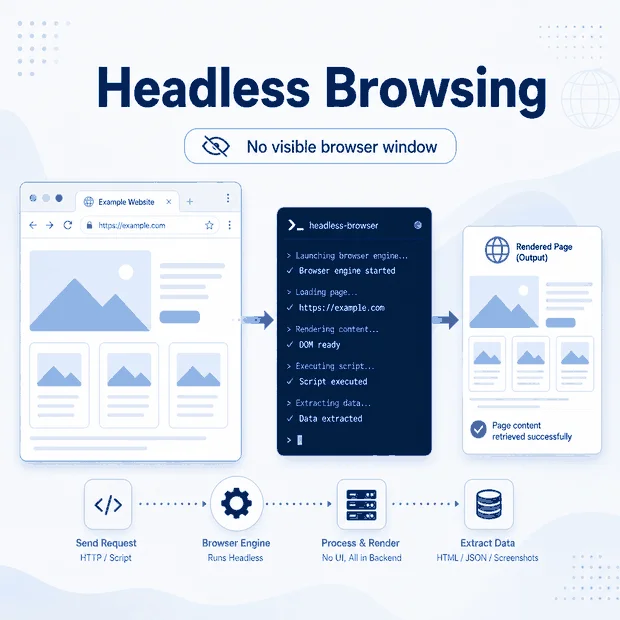
Headless browsing means running a real browser engine without opening a visible browser window. The browser can still load pages, execute JavaScript, store cookies, click elements, wait for network responses, and render the DOM. The difference is that the browser is controlled through code and runs in the background. For web scraping, testing, scheduled page checks, and browser automation, headless browsing is useful when a simple HTTP request cannot access the same page state that appears after browser rendering or interaction. It is not always the best choice. If the required data is already available in raw HTML or a...
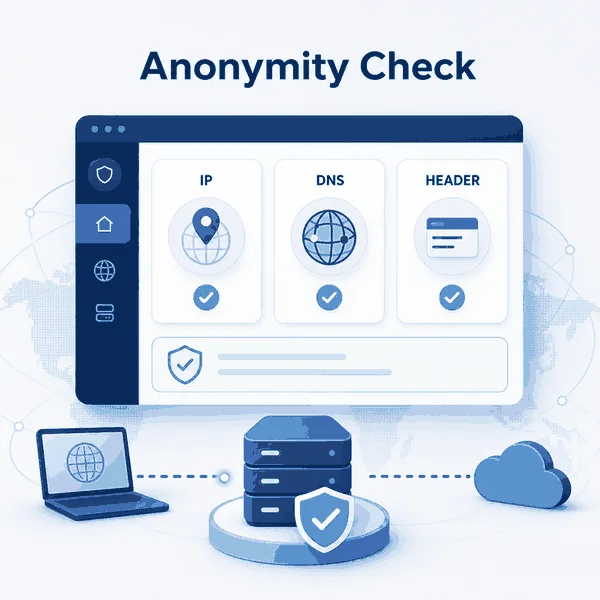
Proxy Anonymity Checker: How to Test IP, DNS, and Headers
An anonymity check is a practical review of what a website can observe when your browser or application connects through a proxy. It is not a universal score or a guarantee that every website will classify the connection in the same way. A useful check compares the visible IP, ASN, DNS behavior, WebRTC information, forwarding headers, reputation data, and browser context in the same environment where the proxy will actually run. This guide explains how to check proxy anonymity without relying on one result or changing several settings at once. The goal is to identify routing errors, unexpected network signals,...
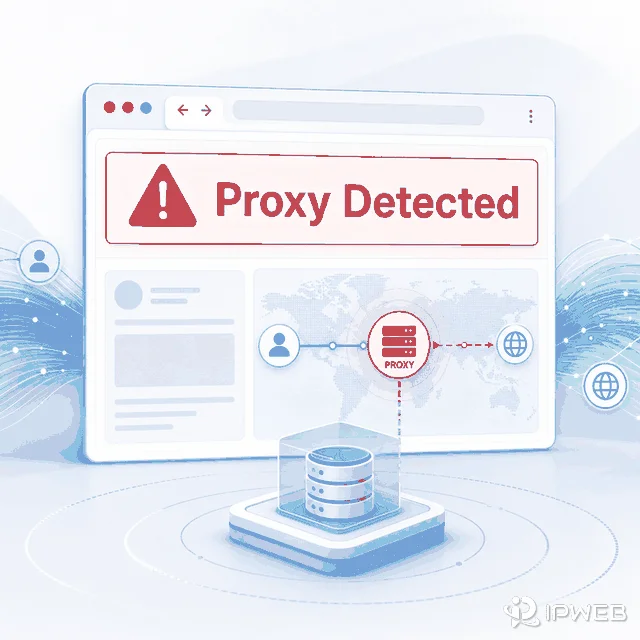
Anonymous Proxy Detected? What It Means and What to Check
If you encounter an anonymous proxy detected warning while browsing, testing a website, or running an application, it does not automatically mean the proxy has failed. The message usually means the destination website, fraud-prevention platform, or IP intelligence service has classified the connection as proxy-like. Some systems rely mainly on IP reputation, ASN, and network-category databases. More advanced platforms may also consider request headers, browser signals, DNS behavior, session history, and traffic patterns. The most useful next step is not to change every setting at once. First identify which layer may have produced the classification, then verify whether the connection...

Web Scraping Dynamic Content: How to Handle JavaScript, Pagination, and Infinite Scroll
Web scraping dynamic content becomes tricky when the data you need is not present in the first HTML response. A page may load a shell first, then use JavaScript, background requests, pagination, or infinite scroll to fill in the real records after the browser starts running. The right method depends on where the data appears. Sometimes you should read a network response. Sometimes you need a browser renderer. Other times the page is simple enough that a static request is still the better choice. The goal is to diagnose the loading pattern before choosing a tool. Direct Answer To scrape...
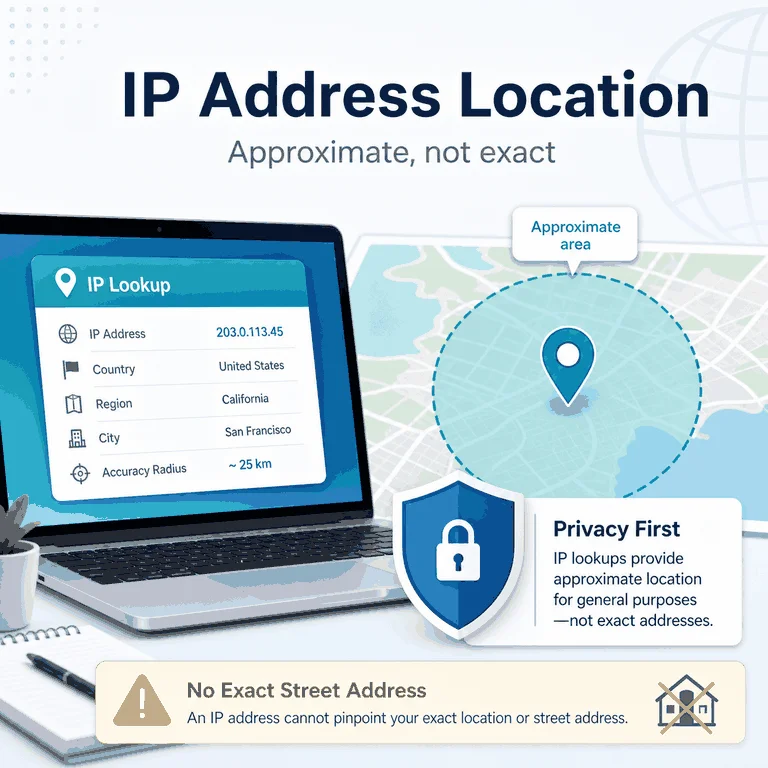
Can You Track an Exact Location from an IP Address?
Searching for “track IP address exact location” usually comes from one of two concerns. You may want to understand what your own IP address reveals, or you may have seen a tool claim it can locate someone from an IP address. The reality is narrower. IP lookup can provide useful network context, but it is not a street-address tracker. An IP address may point to a country, region, city estimate, ISP, hosting provider, mobile carrier, autonomous system, or network type. It normally cannot reveal a precise home, apartment, office desk, GPS coordinate, or individual person. If you only need to...