
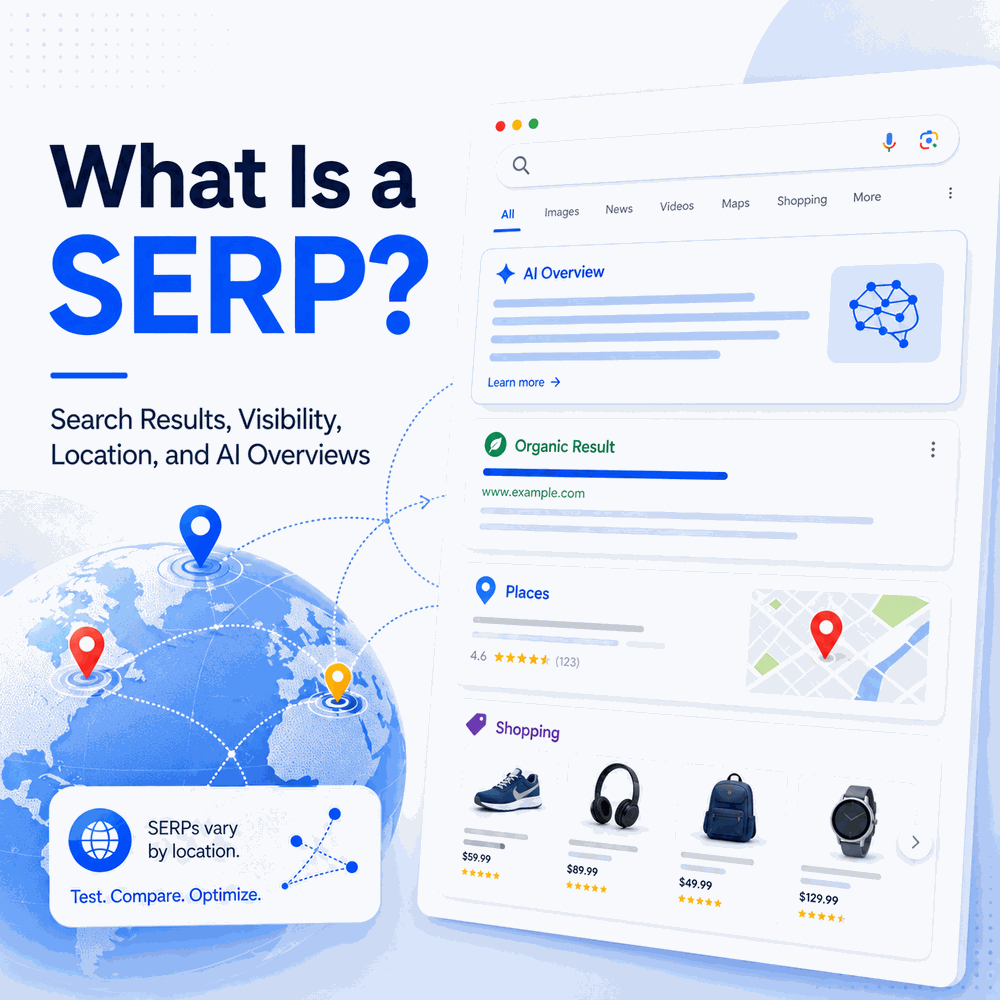
A search engine results page can look different even when the query stays the same. Location, language, device type, time, and search context can change the results and the features shown around them. That makes SERPs important not only for SEO analysis, but also for regional search testing and repeatable visibility checks.
A SERP, or search engine results page, is the page a search engine returns after a query. It can contain organic links, ads, local packs, featured snippets, videos, shopping results, People Also Ask boxes, knowledge panels, and AI-generated answers. Because search results can vary by location and other context, a SERP should be treated as a point-in-time snapshot rather than a fixed ranking list.
- SERP stands for search engine results page.
- Organic rankings are only one part of the full search-results layout.
- Location, language, device type, recent activity, and time can affect which results and SERP features appear.
- For regional SERP testing, a proxy can help control the network-location signal, but it does not control device location, account history, personalization, or search-engine experiments.
- Rotating residential proxies fit multi-location spot checks, while a static residential proxy can be useful when repeated checks need a consistent network endpoint.
What SERP Means
SERP means search engine results page. It is the results page shown after a search on Google, Bing, or another search engine. The page can contain traditional organic listings as well as paid results and specialized search features.
The same query does not always produce the same page. A search for a local service, product, news topic, or brand may return a different mix of results depending on the context of the search.
What Appears on a Modern SERP
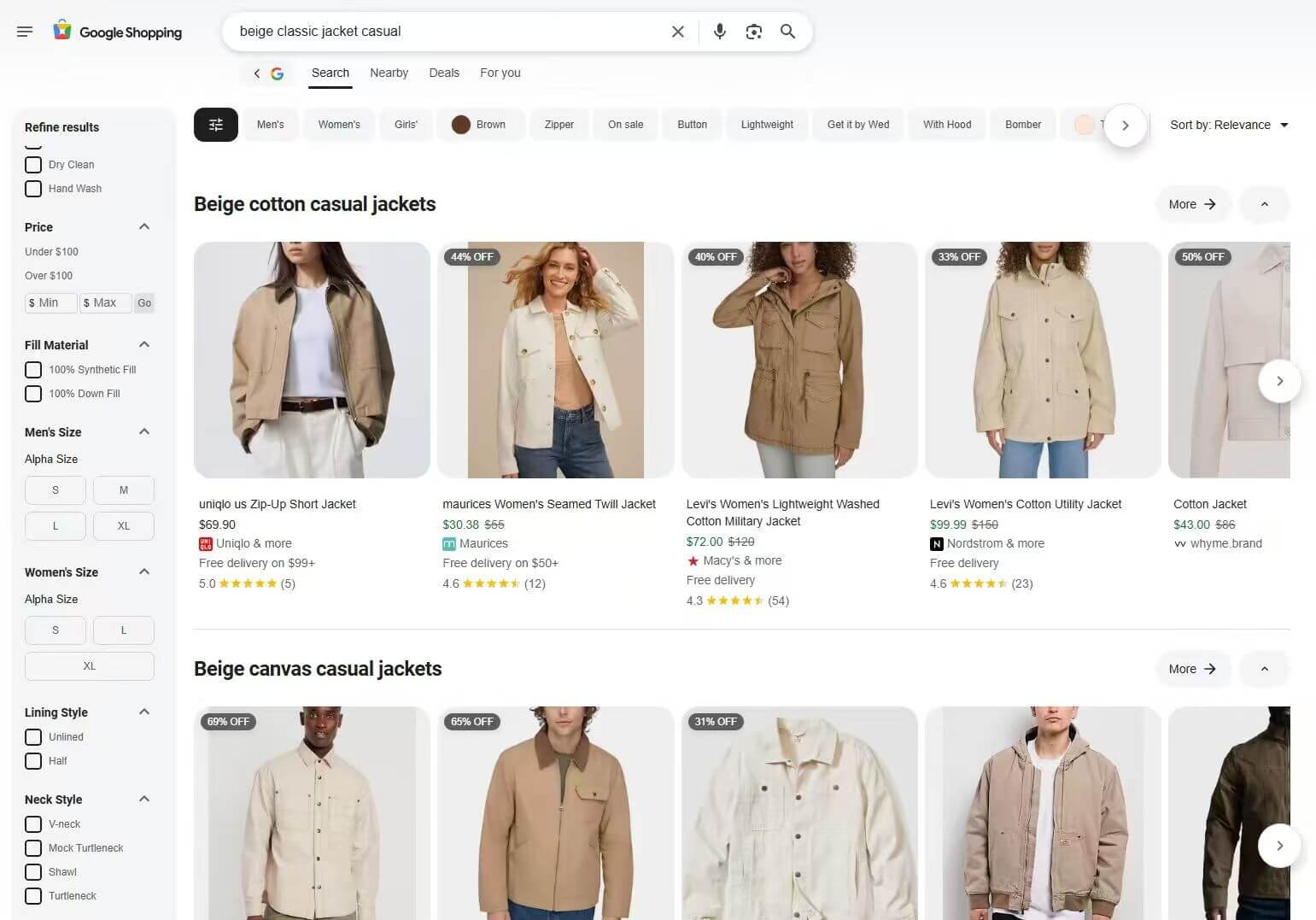
A modern SERP can contain far more than ten blue links. Depending on the query, the page may include search ads, organic listings, local packs, map results, featured snippets, People Also Ask boxes, videos, image packs, shopping units, Top Stories, sitelinks, knowledge panels, and AI-generated answer experiences. Google maintains a visual elements gallery for Google Search that shows how many of these result types can appear.
The layout also affects visibility. A page can rank first in the organic results while still appearing below ads, a local pack, an AI answer, or another large search feature.
Why SERPs Change by Location, Device, and Time
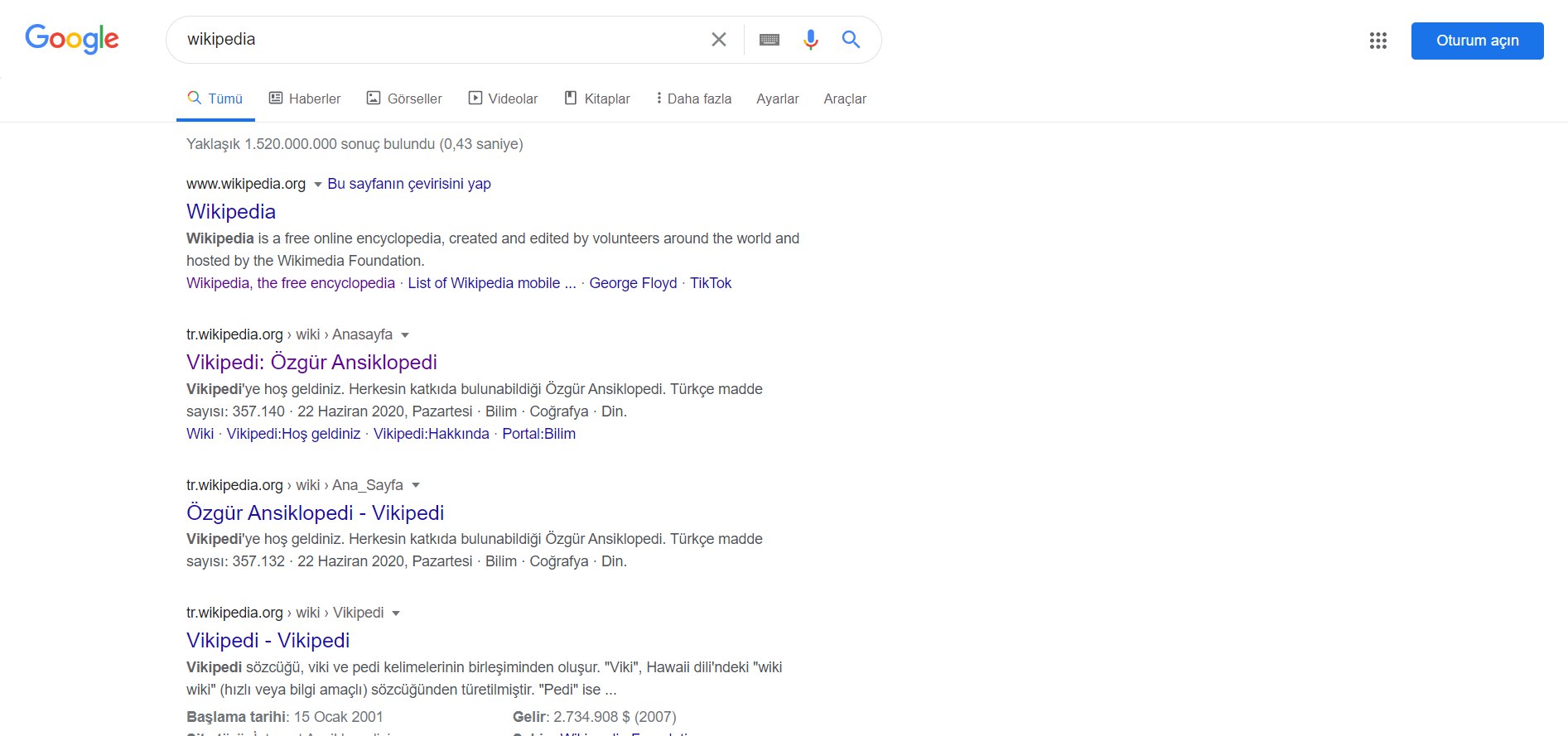
Search engines use context to make results more relevant. Google explains that search results can differ because of factors such as location, language, device type, and recent activity.
Even when personalized recommendations are limited, localized results and other contextual signals can still affect the page.
Location is especially important for searches with regional intent. A query such as coffee shop, plumber, or weather can produce different local results in different cities.
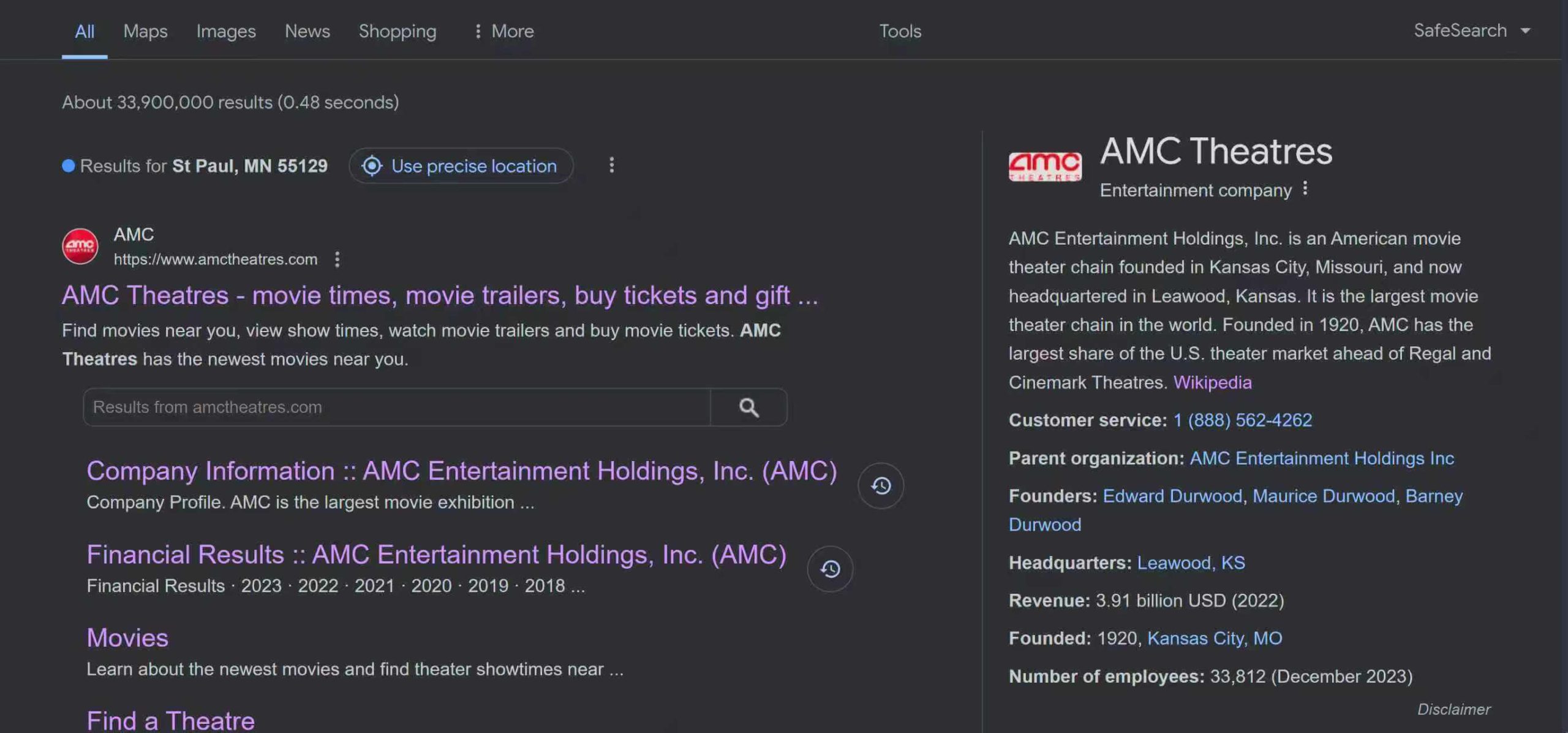
Google describes how it can use several signals to understand search location, including general IP-based location and, when permission is available, more precise device location.
Time matters as well. Search engines refresh indexes, test layouts, surface breaking news, and introduce or remove SERP features. A single capture is therefore evidence of what appeared under a particular set of conditions at a particular moment.
How Proxies Fit Into SERP Testing
A proxy changes the network route used to reach a search engine and can provide an IP address associated with a selected region. That makes proxies relevant when a permitted SEO or QA workflow needs to compare public search results from different network locations.
For example, a team may want to compare the public result page shown for New York, London, and Tokyo. Region-targeted residential proxy endpoints can make the network-location signal closer to each test market.
For a simple country-level check, Google's own Search region setting may be sufficient. A regional proxy becomes more relevant when a permitted workflow needs a controlled network route, repeated regional observations, or city-level network context that should be verified separately from the browser and account state.
IPWeb dynamic residential proxies provide country- and city-level location options for this type of regional testing.
A proxy controls only one part of the environment. It does not automatically change GPS or browser-provided device location, signed-in account history, language settings, cookies, or recent searches.
Search-engine experiments are another independent variable. Document these conditions separately when results need to be compared.
A proxy can control the IP-based network route used for a search request. It cannot automatically change precise device location, browser language, signed-in account history, cookies, personalization, device type, or search-engine experiments. Treat the proxy as one controlled test variable rather than a guarantee of what every user in the selected location will see.
| Search variable | Can a proxy affect it? | What to record |
|---|---|---|
| IP-based network location | Yes | Proxy region, city if targeted, and exit IP |
| Device GPS or precise location | No | Browser or device location permissions |
| Language | Not by itself | Search language and browser language |
| Device type | No | Desktop or mobile environment |
| Account history and personalization | No | Signed-in state, cookies, and personalization settings |
| Search-engine experiments and index changes | No | Timestamp and visible SERP features |
Example: Comparing the Same Query Across Three Cities
Suppose the goal is to compare the same local-intent query in New York, London, and Tokyo. Keep the device type, browser language, signed-in state, and capture method unchanged. Change only the selected network region, then verify the exit IP before each observation.
| Variable | Example test setting |
|---|---|
| Query | Same wording in every market |
| Device | Desktop |
| Browser language | English |
| Account state | Signed out |
| Network region | New York / London / Tokyo |
| Route verification | Record the exit IP and expected region before capture |
| Observation record | Timestamp, visible features, and major result differences |
This setup does not assume that every user in a city will see the same page. It creates a repeatable observation method so differences can be interpreted against a documented test context.
Rotating vs Static Proxies for SERP Checks
The right proxy type depends on whether the goal is to compare multiple locations or repeat the same location under more consistent network conditions.
| Proxy approach | Best fit | Trade-off |
|---|---|---|
| Rotating residential proxy | Spot checks across multiple countries or cities | The exit IP can change, so record the location and IP for each capture |
| Static residential proxy | Repeated checks that need the same network endpoint over time | A stable IP does not make the SERP itself stable |
| No proxy | Checking the results visible from your normal connection | It does not reproduce another market's network location |
If repeated regional checks need the same residential network endpoint, a static residential proxy can reduce one source of variation.
The search engine can still change the result page because of device, language, account, freshness, or experiment-related factors.
SERP vs Organic Ranking vs Search Visibility
Organic ranking is the position of an unpaid result within the organic section. Search visibility is broader because it also depends on everything that appears around that result.
A page can rank number one organically but still appear below ads, a local pack, an AI answer, shopping results, or other modules. For that reason, a ranking position should be interpreted together with the surrounding SERP layout.
How AI Overviews Change SERP Visibility
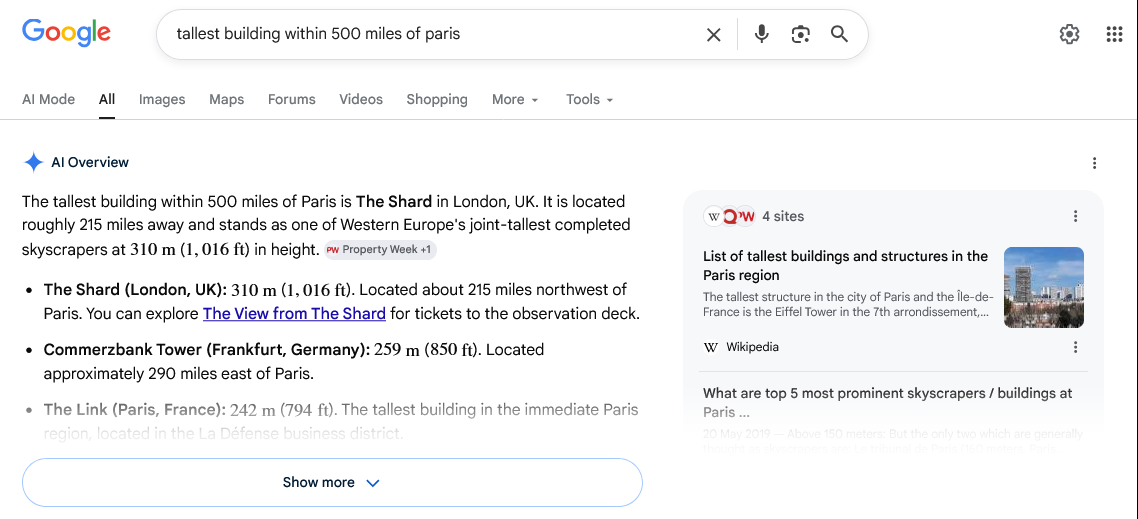
AI-generated answers add another visibility layer to modern search results. When an AI Overview appears above traditional listings, it can occupy a large part of the first screen and change which links receive immediate attention.
This makes SERP analysis more than a ranking exercise. A useful snapshot should note whether an AI answer is present, which sources are cited when visible, what organic results appear around it, and which regional and device conditions were used for the check.
For a more focused workflow, see how to track Google AI Overviews with SERP data.
How to Compare SERP Snapshots
Three Levels of SERP Observation
A SERP check is more useful when the observation method matches the question being asked. Three levels cover most regional SEO and visibility-check workflows:
| Observation level | Main question | Keep consistent | Main variable |
|---|---|---|---|
| Single snapshot | What appears right now? | Record the full context | None |
| Regional comparison | What changes between markets? | Query, device, language, account state, capture method | Network region |
| Repeated monitoring | What changes over time? | Query, region, device, language, capture method | Time |
Comparisons are more useful when the test conditions are recorded before the results are interpreted. At minimum, capture the query, search engine, country, city when relevant, language, device type, timestamp, signed-in state, network location, and visible SERP features.
For regional checks, keep as many variables consistent as possible and change only the factor being tested. If the goal is to compare two cities, use the same query, language, device type, and capture method while changing the network location.
If the goal is to measure change over time, keep the location and other inputs consistent across repeated captures.
Why Two SERP Checks May Not Match
Two SERP checks can disagree even when the keyword is identical. Before treating the difference as a ranking change or a routing failure, verify whether the test conditions actually matched.
| Possible cause | What to verify | Why it matters |
|---|---|---|
| Unexpected exit IP or region | Visible exit IP, target country or city, and proxy session | The search service may receive a different network-location signal than intended |
| Different device profile | Desktop vs mobile, browser viewport, and user agent | Search layouts and visible features can differ by device |
| Different language settings | Search language and browser language | Result sources and page composition can change with language context |
| Different account or cookie state | Signed-in status, cookies, and personalization state | Search context can change even when the network route is identical |
| Different capture time | Timestamp and freshness-sensitive results | News, shopping, AI-assisted results, and other elements can change quickly |
| Search-engine experiment | Unexpected layout or feature changes under otherwise similar conditions | Interface and ranking tests can create differences that are unrelated to the proxy |
A mismatch does not automatically mean the proxy failed. Verify the route and the rest of the search environment first, then compare the visible page under equivalent conditions.
| Workflow | Use it for | Do not assume |
|---|---|---|
| Single SERP snapshot | Checking what appeared for one query under one set of conditions | That the layout will remain the same later |
| Multi-location comparison | Comparing public results across selected markets | That IP location is the only location signal involved |
| Repeated same-location checks | Observing changes over time with a more consistent network endpoint | That a fixed IP guarantees identical results |
Limits and Compliance Notes
SERP checks should be used for legitimate SEO analysis, localization QA, market research, and other permitted public-search workflows. A proxy is network infrastructure, not a guarantee of a specific ranking or a way to override search-engine rules.
Search engines can change layouts, ranking systems, AI features, and localization behavior at any time. Always interpret a SERP capture as one observation and follow the applicable platform terms, data-use rules, and access requirements.
For Google Search specifically, Google's machine-generated traffic policy states that automated queries, including scraping search results for rank checking without express permission, violate Google's policies and Terms of Service. Automated SERP workflows should therefore use access methods permitted by the target search service.
Frequently Asked Questions
Final Thoughts
A SERP is the complete search-result environment around a query, not just a numbered list of organic links. Location is one of the variables that can change that environment, which is why proxies have a legitimate role in regional SERP testing: they help control the network-location signal.
Reliable comparisons still require more than a proxy. Record the query, region, language, device, timestamp, account state, and visible features, then change only the variable you actually want to test. That produces clearer regional SEO observations without treating any single SERP snapshot as permanent.